info@louguthry.com.au I cars 0418536129 I shop 0437938046

Type 01 Jaguar's Biggest Gamble
09/10/2026
Jaguar has finally shown us what the future looks like.
The Type 01 is here, and there is no disguising what Jaguar is trying to do. It is not an updated XJ, it is not a replacement for the F-Type and it is certainly not an attempt to win back the traditional Jaguar customer. It is something entirely different.
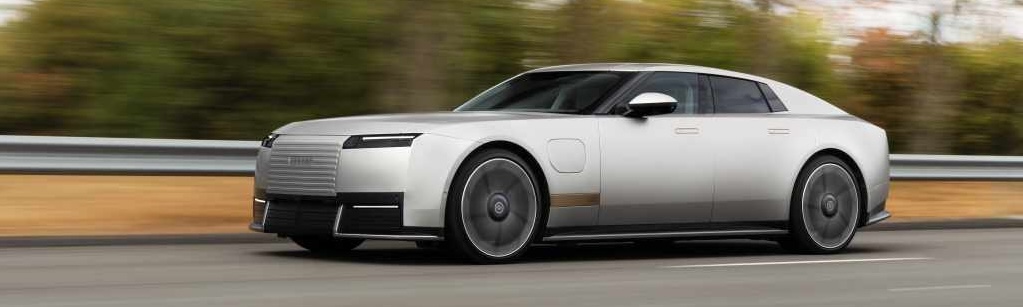
Above: Jaguar Type 01
Whether people like it or not, Jaguar has decided that the old model was no longer sustainable.
That is an uncomfortable thing for many Jaguar enthusiasts to accept, and understandably so. Jaguar has spent decades building some of the most beautiful and desirable cars ever made. For many people, Jaguar is about more than a badge. It is about the shape of an E-Type, the sound of an XK engine, the elegance of an XJ and the feeling of driving an F-Type.
So when Jaguar effectively starts again with an all electric, four door GT costing around £130,000 in the UK and expected to be around $300,000 in Australia, it is perfectly reasonable to ask whether this is really Jaguar at all.
But perhaps there is another question worth asking.
What was the alternative?
For the past 25 years Jaguar has tried, with varying degrees of success, to compete with the Germans. The X-Type and S-Type were aimed at BMW, Mercedes and Audi. Later came the XF, XE, F-Type and XJ. There were some genuinely excellent cars among them, but the commercial results were rarely strong enough.
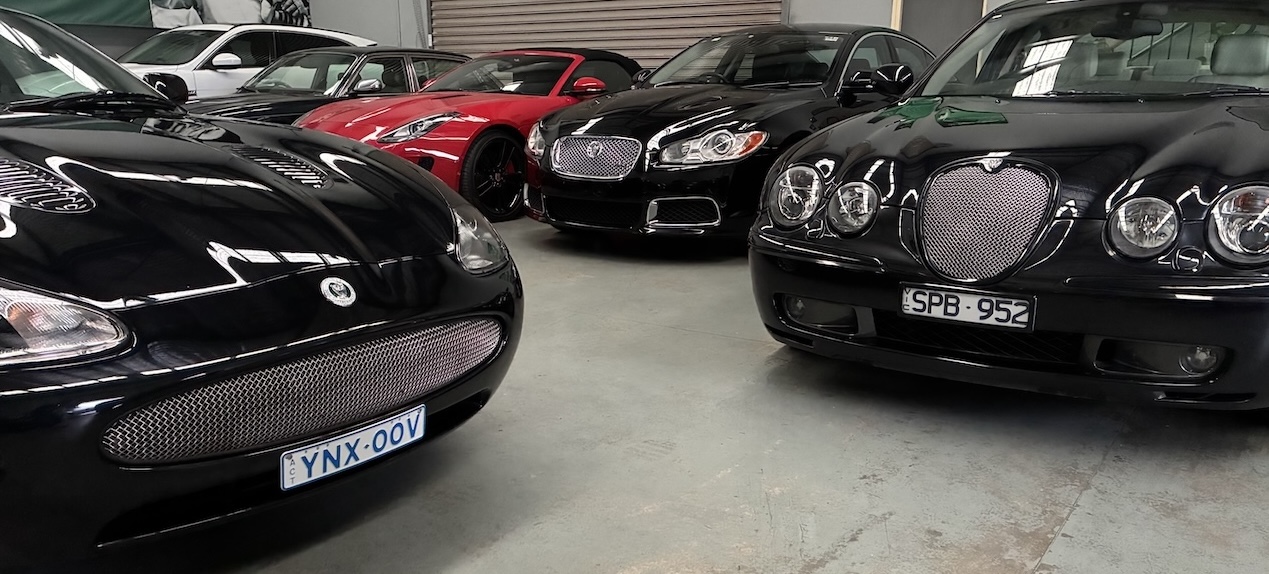
Above: Jaguar XKR 4.2-S, S-Type R, XFR and F-Type S
Jaguar was also late to some of the biggest changes in the market. The Porsche Cayenne arrived in 2002, while Jaguar did not launch an SUV until 2016. Land Rover had hybrid technology in its range years before Jaguar. The problem was not necessarily that Jaguar built bad cars. Quite often it built very good ones. The problem was that it struggled to build enough of them, sell them in sufficient numbers and make enough money from doing so.
And this is where the current situation in the car industry becomes particularly interesting. Manufacturers around the world are dealing with enormous development costs, changing technology, Chinese competition and an uncertain economic environment. Some of the biggest names in the industry are under serious pressure, while the traditional car business is being reshaped by electrification.
Against that background, Jaguar’s decision makes a little more sense.
JLR is not a company that needs to disappear. Range Rover, Defender and Discovery give the group enormously strong brands. Jaguar was the problem. It had a shrinking and ageing customer base, relatively low volumes and an identity that was increasingly difficult to define in a market where almost every manufacturer can build a fast, luxurious and technically sophisticated car.
Jaguar therefore had two choices. It could continue trying to be a smaller version of the Germans, or it could become something completely different.
It chose the second option.

Above: SS Jaguar and Type 00 in London
The Type 01 is the first test of that decision, and it is an extraordinary car on paper. More than 1,000PS, 1,365Nm of torque, a 118kWh battery, 850 volt architecture and a claimed 400 mile EPA range put it firmly into the top end of the electric car market. More importantly, Jaguar is describing it as the first of a new generation of Jaguars, rather than a single standalone experiment.
The price will mean the Type 01 is not for everyone, but it is worth putting the figure into perspective. When Jaguar stunned the world with the E-Type, it offered a sports car with the presence, performance and desirability of an Aston Martin or Ferrari at a fraction of the price. The Type 01 is attempting something similar in the luxury segment, bringing Jaguar into a higher tier with a car that will cost around $300,000 in Australia. Its closest comparison in terms of ambition and exclusivity may be the Rolls Royce Spectre, which starts at around $800,000. The Jaguar sits in a very different price bracket, but both cars are aimed at buyers looking for something distinctive and exclusive. The Type 01 is also not entirely removed from where the last XJ finished, with the final high performance XJ models reaching more than $300,000. Jaguar is taking the place of the XJ at the top of its range and attempting to move the brand further into the luxury market, just as the E-Type once challenged expectations of what a Jaguar could offer.
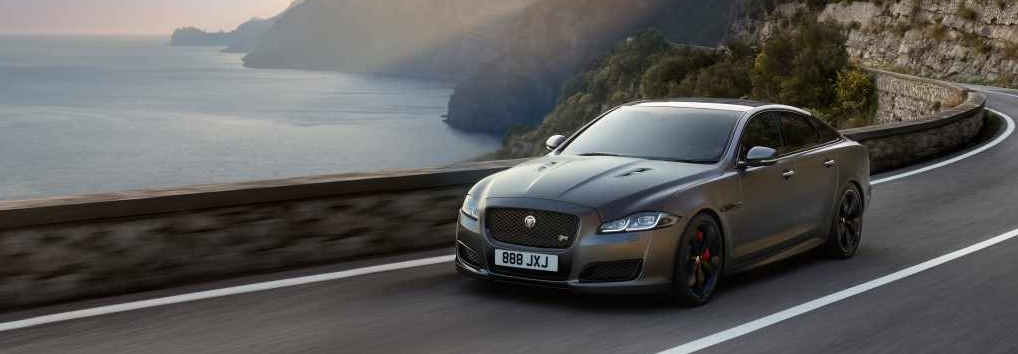
Above: Jaguar XJR575
That does not mean the traditional Jaguar customer has to like it. The people who have owned, collected and maintained Jaguars for decades have every reason to feel disconnected from the new direction. They have a genuine connection to the cars and to what Jaguar has traditionally represented.
At the same time, the old model was becoming increasingly difficult to sustain. Jaguar could continue producing cars for the people who already loved the brand, but if that customer base was getting smaller and the cars were not selling in sufficient numbers, it is difficult to see how that could have continued indefinitely.
The world has changed.
There was a time when people bought a Porsche because of its flat six, a BMW because of its driving feel, a Mercedes because of its engineering and a Jaguar because of grace, space and pace.
Electric cars change some of that equation. A Porsche Taycan is still a Porsche, and its engineering, dynamics and heritage matter, but when an electric Kia can deliver supercar levels of acceleration, the traditional mechanical differences between brands become less obvious. Design, interior, driving experience and the emotional connection to the brand become increasingly important.
That is exactly the space Jaguar is trying to occupy.
It is a risky strategy, but doing nothing was risky too.
We have seen what happens when a great Australian brand reaches the end of the road. Holden is no more. What remains is the history, and the Kingswoods, Toranas, Commodores and Monaros are now celebrated by restoring them, maintaining them, driving them and keeping their stories alive.
Jaguar still has the opportunity to do something different. It can celebrate what came before while trying to create something that has a future.
Above Watch: Detailed walk around video of our 1960 Jaguar XK 150 S 3.8 Manual Overdrive FHC
That does not diminish the cars that came before it. An XK150 S, a Series 1 XJ12, an S-Type R, an XKR or an F-Type can still be admired for exactly what they are. They represent different eras of Jaguar, different technologies and different interpretations of what a Jaguar should be.
In fact, they may become even more important as Jaguar moves into this new era.
Jaguar’s future will be determined by what comes next, but its history is already written. Those cars are sitting in garages, workshops and collections all over the country, and the people who own them, maintain them and keep them on the road are now the custodians of that history.
The Type 01 is simply the next chapter.
It may succeed and it may fail. Nobody knows. But Jaguar has chosen to make a genuine attempt at creating a future for the brand rather than continuing down a path that was becoming increasingly difficult to sustain.
The Type 01 does not replace the Jaguars that came before it, and it does not make them any less special. Those cars will continue to tell the story of what Jaguar was, while the Type 01 and the new generation of Jaguars that follow it will determine what the brand becomes.
Perhaps there is room for both. The old Jaguar can be celebrated for what it was, while the new Jaguar is given the opportunity to show what it can become.
About the author: Nick Guthry and his father, Lou, have worked with Jaguar cars for more than 40 years, buying, selling, preparing and restoring them. Visit: louguthry.com.au
Jaguar Type 01: A New Era Begins
08/10/2026
One‑of‑a‑kind: Jaguar Type 01 is a luxury four‑door GT like no other. A bold new grand tourer that never arrives unnoticed, like all the best Jaguars of the past
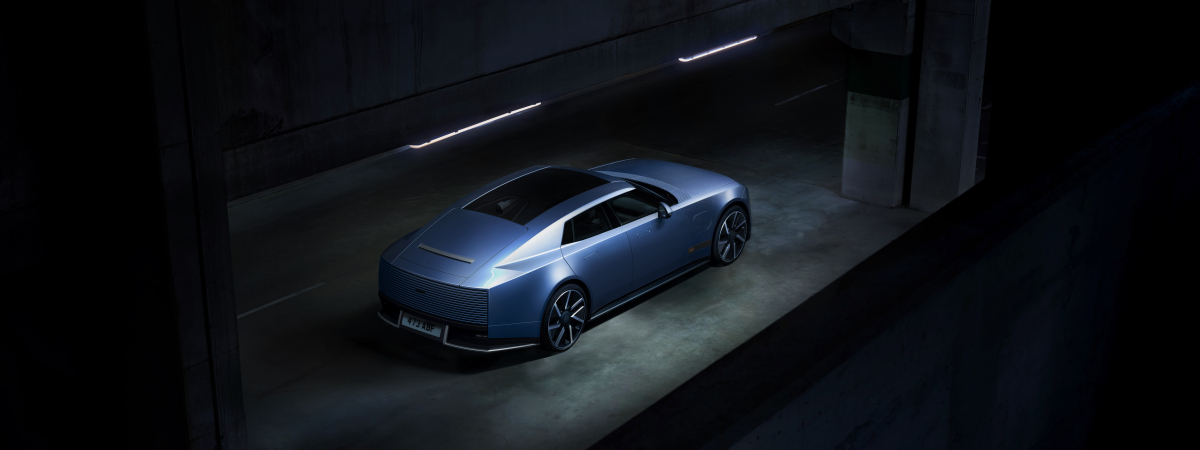
Exuberant proportions: Low roofline, short front overhang, long bonnet, extended rear overhang and 23‑inch wheels. Presence and drama from every angle
Pioneering foundations: Unique JEA body architecture and state‑of‑the‑art propulsion to deliver the original design vision
Boundary‑breaking: More than 360 patent applications to make Type 01 the most technically advanced Jaguar ever engineered
Most aerodynamic Jaguar: Active Vanes, three‑stage deployable spoiler and airflow optimisation delivers drag co‑efficient of 0.23
Drives like a Jaguar: Two dynamic characters. Deep reserves of power. Refined comfort and 50:50 weight distribution. The essence of Jaguar
Power in reserve: Most powerful Jaguar road car, with up to 1,030PS and 1,365Nm. Type 01 pulls from 62‑112mph (100‑180km/h) in 4.0 seconds – 0‑62mph (0‑100km/h) in 3.2 seconds
Electric freedom: 850‑volt architecture and 118kWh usable battery deliver an expected EPA range of up to 400 miles. Sustained highway speed range of up to 320 miles
Central spine: Cabin is split into four individual spaces with longitudinal brass‑effect anodised aluminium finishers emphasising Type 01’s scale
Crystal clear: Single glass 24‑inch OLED screen optimises brightness and clarity. Central seven‑inch smartphone‑style touchscreen controls key functions
Sound stage: Jaguar Immersive Sound System envelops occupants, with Sensory Audio and the automotive‑first full‑width, full‑range Panoramic Soundbar
Made in Britain: Type 01 is designed, engineered and built in the UK
Jaguar Type 01 is the first of a new era.
A luxury four‑door GT that looks and drives like no other electric car. A copy of nothing.
The first Jaguar production car born under the exuberant modernist creative philosophy. Low, with a long bonnet, sleek silhouette and dramatic presence, it never arrives unnoticed – the best of Jaguar's past, distilled into a luxury electric GT of the future.
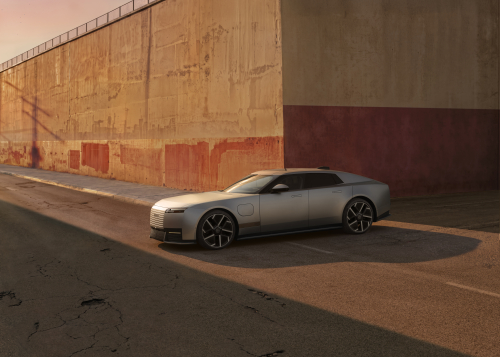
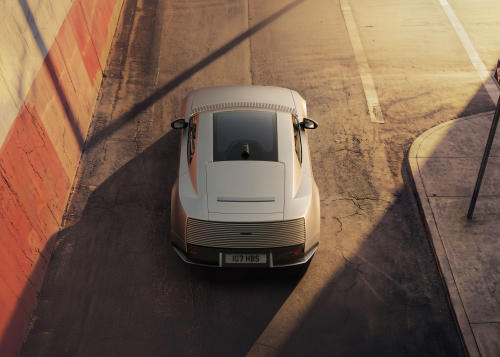
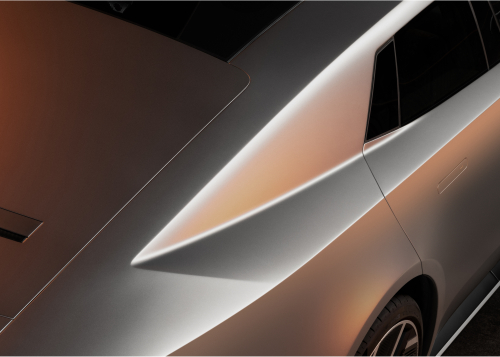
Type 01 is characterised by dramatic proportions and clean surfacing. Conceived in the design studio with no constraints on a blank sheet of paper and honed to perfection in the wind tunnel. Designers and engineers united to achieve the original design vision. The most aerodynamic Jaguar ever without compromising the purity of the design.
Achieving Jaguar’s vision for a modern electric GT with four doors, more than 1,000PS and signature Jaguar driving character demanded a new body architecture. Nothing in the automotive realm could deliver Type 01’s dramatic silhouette and thrilling drive so it sits on foundations unique to Jaguar. Designed, developed and built in the heart of the UK.
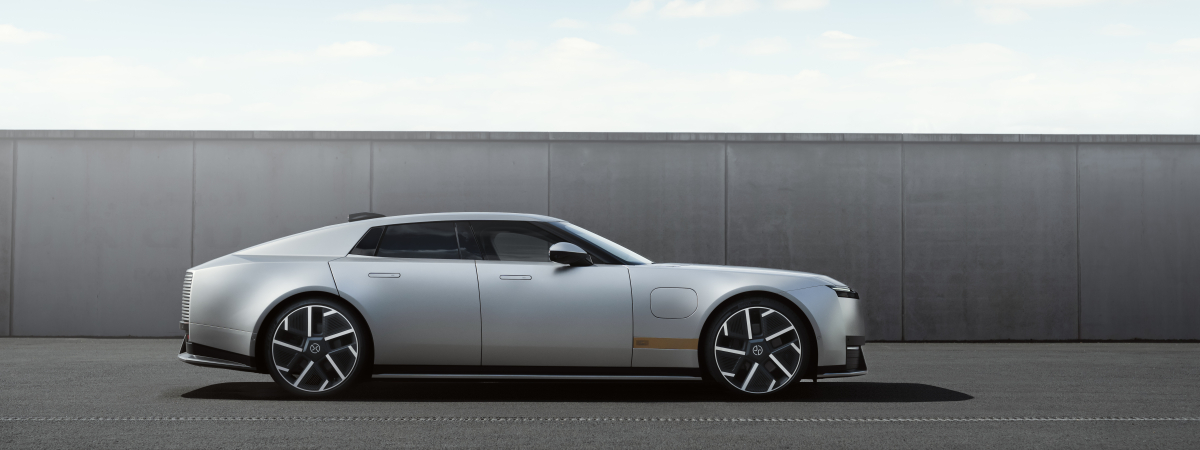
The creative engineering and singular focus behind this electric‑only architecture is the enabler for both Type 01’s distinctive proportions and captivating driving dynamics. The result is the most technically advanced Jaguar to date, with more than 360 patent applications. The most powerful Jaguar road car ever created shrinks around the driver with 50:50 weight distribution. Two dynamic characters in one epic drive. Deep reserves of power and refined comfort.
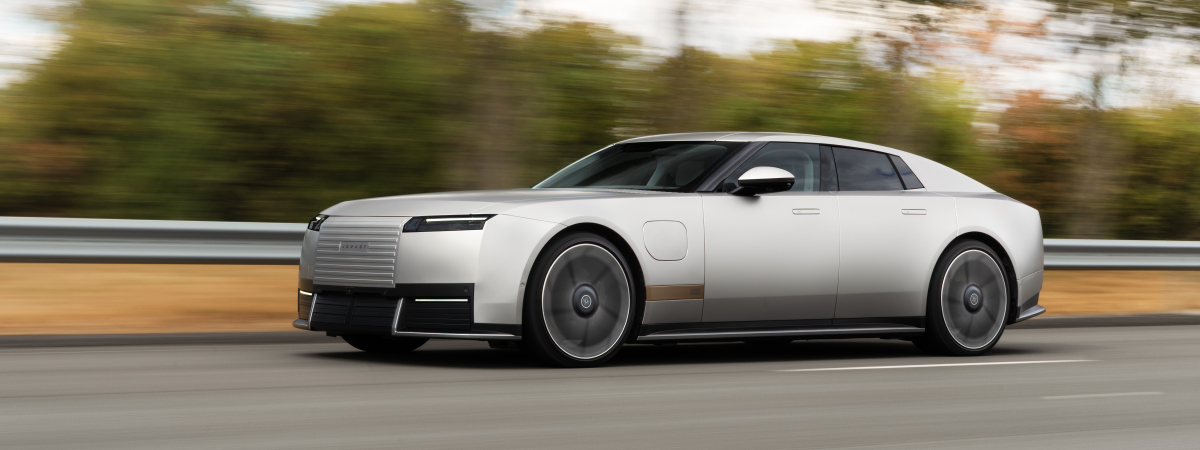
Tri‑motor technology with Intelligent Torque Vectoring puts the power precisely where it’s needed, with up to 1,030PS and 1,365Nm of torque, achieving 0‑62mph (0‑100km/h) from 3.2 seconds. More than just pure acceleration, Type 01 delivers a sense of always having power in reserve. Its rate of rolling acceleration demonstrates this, going from 62mph to 112mph (100km/h to 180km/h) in 4.0 seconds. Know‑how from the double world championship‑winning Jaguar TCS Racing Formula E team helped finesse its unique character.
A 118kWh battery and 850‑volt architecture means clients can complete up to 99.7 per cent of all journeys without interruption, with an anticipated EPA range of up to 400 miles (up to 450 miles / 720km of WLTP range2) and the ability to add up to 200 miles (321km) of range in as little as 13 minutes3 using 350kW rapid DC charging.
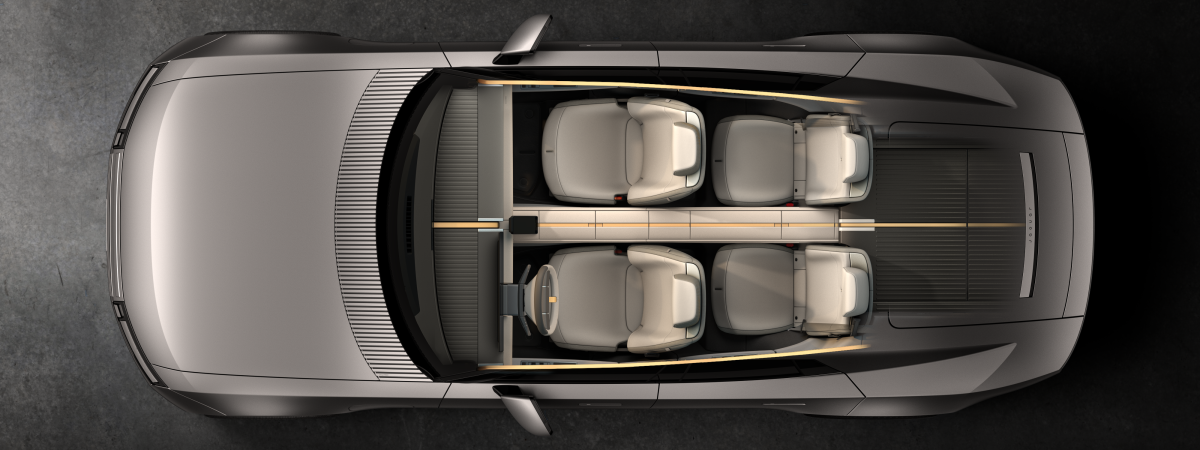
Inside, a central spine runs the length of the cabin to create individual spaces for each occupant. It is mirrored on each side by brass‑inspired elements that run from front to back, defining the longitudinal nature of the interior. The Interactive Driver Display – a 24‑inch single glass OLED screen – places absolute control directly ahead of the driver, providing exceptional clarity and operating the intuitive new Jaguar Infotainment. An additional smartphone‑style seven‑inch display between the driver and front passenger places the most common key controls within instinctive easy reach. Immersive audio creates a wall of sound using a full‑width, full‑range, automotive‑first Panoramic Soundbar with Sensory Audio seats.
"From its dramatic design to its captivating drive, Type 01 distils the essence of Jaguar into a car for a new era. Jaguars should be objects of desire and culturally relevant – that’s their natural habitat and where Jaguar is returning. Type 01 is the foundation of the brand, one that makes no compromise between design and engineering in our quest to reinvent Jaguar for the 21st century."
Rawdon Glover
Managing Director, Jaguar
Every trip in Type 01 is an occasion. From the visual statement of its exterior to its dramatic interior. The exterior colour palette shows Type 01’s pure surfacing in the very best light. Clients can choose from gloss colours or satin finishes that accentuate the monolithic quality of Type 01. The exterior Fender Ingot showcases the famous leaper, crafted with precision.


2 Factory Works D-Type Jaguars visit Iain Tyrrell's workshop
07/08/2026
Not one but TWO priceless original factory Jaguar Works racing cars visitIain Tyrrell's workshop! The Jaguar Daimler Heritage Trust and Iain have collaborated on this and a follow- up video, about one of the most successful racing cars of all time- the mighty 1950s Jaguar “D” type. Join us as Iain gets to grips with a running problem on one of these precious cars, each worth comfortably into eight figures. Can he sort it out before driving them both on a specially- booked race track the next day? What can possibly go wrong!!
Below Watch: 2 Factory Works D-Type Jaguars visit Iain Tyrrell's workshop...
All New MY20 Jaguar XE
31/07/2026
The new Jaguar XE delivers an enhanced exterior design, all‑new luxurious interior and advanced technologies
- Enhanced exterior provides a more assertive appearance with new front and rear bumpers, advanced all‑LED headlights and tail‑lights with distinctive LED signatures
- All‑new luxurious interior features beautiful details and premium materials
- New Touch Pro Duo infotainment system and 12.3‑inch interactive driver display shared with all‑electric I‑PACE are customisable, intuitive and responsive
- Smart Settings technology uses artificial intelligence to learn the preferences of individual drivers and adjusts seat, mirror, audio and climate settings automatically
- Segment‑first ClearSight rear view mirror provides uninterrupted rearward visibility
- Efficient Ingenium diesel and petrol engines available in AWD and RWD form
- 300 PS petrol‑engine AWD derivative accelerates from 0‑60 mph in 5.4 seconds
- Lightweight aluminium‑intensive body construction, with double wishbone front and integral link rear suspension, delivers agile handling and excellent safety
- New XE comes with an enhanced entry level specification that includes 18‑inch wheels, electric leather seats, all‑LED headlights and tail‑lights with updated signature graphics, front and rear park aid, rear camera and lane keep assist
An updated exterior design gives the XE a more purposeful and assertive stance. Continuing on from the beautifully judged proportions of the original car, new XE’s sporting intent has been taken up a level, with contemporary design cues inspired by the F‑TYPE sportscar. XE appears wider and lower than before, with larger front apertures, bold graphics and muscular forms alluding to the car’s performance and advanced aerodynamics. New all‑LED headlights with a striking ‘J’ blade daytime running light signature create a more purposeful look. The rear of the car also features a new bumper design and slender all‑LED tail‑lights with updated signature graphics which accentuate the visual width of the car, giving the XE a more planted appearance.
New all‑LED headlights with a striking ‘J’ blade daytime running light signature create a more purposeful look. The rear of the car also features a new bumper design and slender all‑LED tail‑lights with updated signature graphics which accentuate the visual width of the car, giving the XE a more planted appearance.
Below Watch: All New MY20 Jaguar XE...
Below Watch: MY20 Jaguar XE Design Evolution...
<
Jaguar XK X150 5 litre V8
17/07/2026
Jaguar's all-new 5.0-litre AJ-V8 XK X150
Introduced for the 2010 model year, the updated Jaguar XK marked one of the most significant developments in the model's life. While the timeless Ian Callum design remained unmistakably Jaguar, beneath the elegant lines came a host of meaningful improvements.
The biggest change was the introduction of Jaguar's all-new 5.0-litre AJ-V8 engine, delivering substantially more power, stronger torque and improved refinement over the outgoing 4.2-litre. Inside, the traditional J-Gate shifter made way for the now-iconic JaguarDrive Selector – the rising rotary gear selector that became a hallmark of modern Jaguars. The cabin also received revised trim, updated instruments, improved technology and higher-quality materials, creating an even more luxurious driving environment.
Externally, subtle revisions included a new front bumper, larger lower air intake, redesigned headlights with LED signature lighting, revised tail lamps and updated alloy wheel designs, giving the XK a more contemporary and purposeful appearance.
Combining effortless performance, grand touring comfort and unmistakable British style, the 5.0-litre XK represents the final evolution of one of Jaguar's finest grand tourers.
Jaguar XKR X150 5L V8 Coupe Facelift
22/06/2026
Last and best of the XK Series with revised front bumper and light design. Powered by the Gen 3 AJ-V8 direct injection 5.0L V8 with a very light all aluminium construction, performance is superb. Last of the great XKs.
Jaguar XE 300 Sport Sets Lap Record At Circuit de Charade, Clermont
09/06/2026
The 8km Circuit de Charade in Clermont Ferrand, which included public road sections, hosted the French Grand Prix in 1965, 1969, 1970 and 1972. It fell out of favour as loose volcanic rock and the lack of any real run-off areas took their toll on cars and drivers alike. The full, longer circuit was last used in 1988 so Jaguar returned to the historic track to mark the anniversary of its closure by completing the first flying lap of the circuit in three decades.
After completing the fastest ever lap of the Nürburgring Nordschleife in a production saloon behind the wheel of the XE’s track-ready stablemate, the SV Project 8, driver Vincent Radermecker attempted to set a production saloon lap record in the XE 300 SPORT. With a roundabout and two narrow gateways not used in the original circuit to contend with, Vincent lapped the demanding track in just 4 minutes 09 seconds at an average speed of 116km/h (72mph).
Chris Harris and friends drive the Jaguar Type 01
21/05/2026
Really interesting listening to Chris Harris and friends spend time with the pre-production Jaguar Type 01, while also driving some of the Jaguars that inspired it.
It’s a thoughtful discussion from people who genuinely understand Jaguar’s history, design language and character. What I found most interesting is that the story behind the car may be a little more nuanced than many of us first thought.
Jaguar has never really moved the needle by playing it safe, and some of the brand’s most celebrated cars were controversial when new. Regardless of where you sit on the new direction, it’s an interesting conversation and well worth a watch...
Below Watch: Chris harris and friends podcast drive the pre production Jaguar Type 01
2022 Jaguar XE detailed walkaround
28/02/2026
Below Watch: This video provides a detailed walkaround of the MY22 Jaguar XE, highlighting its sleek design, luxurious interior, and advanced technology features. The video explores the car's performance, safety features, and various trim levels, offering a comprehensive overview for potential buyers...
Chris Harris on Cars | Daytona 24h winning Jaguar XJR-9
18/02/2026
Below Watch: Even a wet December day at Brands hatch cannot dampen the glory that is Jag's normally aspirated Group C beauty. What a machine! Chris Harris Drives the Daytona 24h winning Jaguar XJR-9...
Member