info@louguthry.com.au I cars 0418536129 I shop 0437938046

1975 Jaguar XJS V12 Manual #27
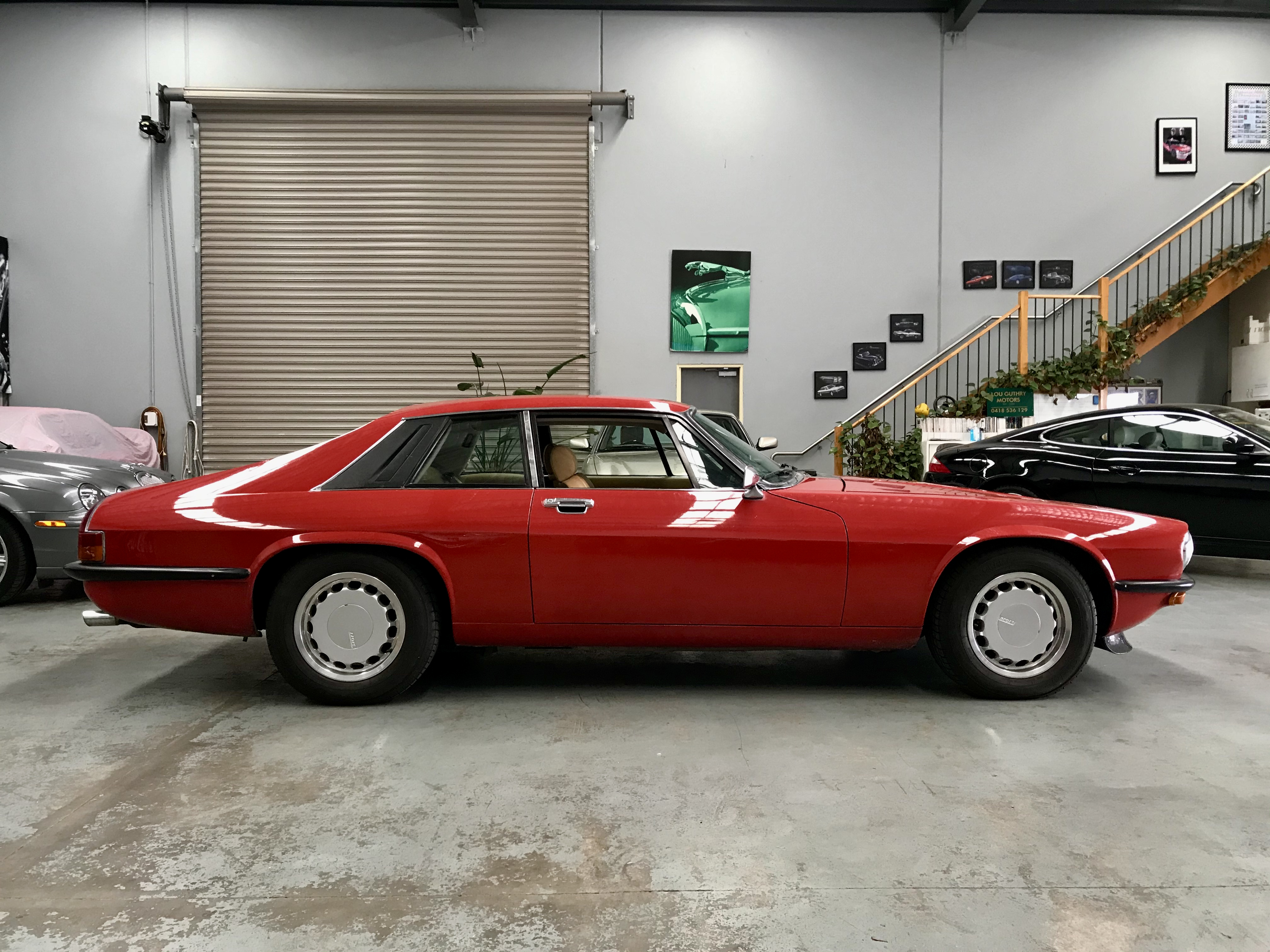
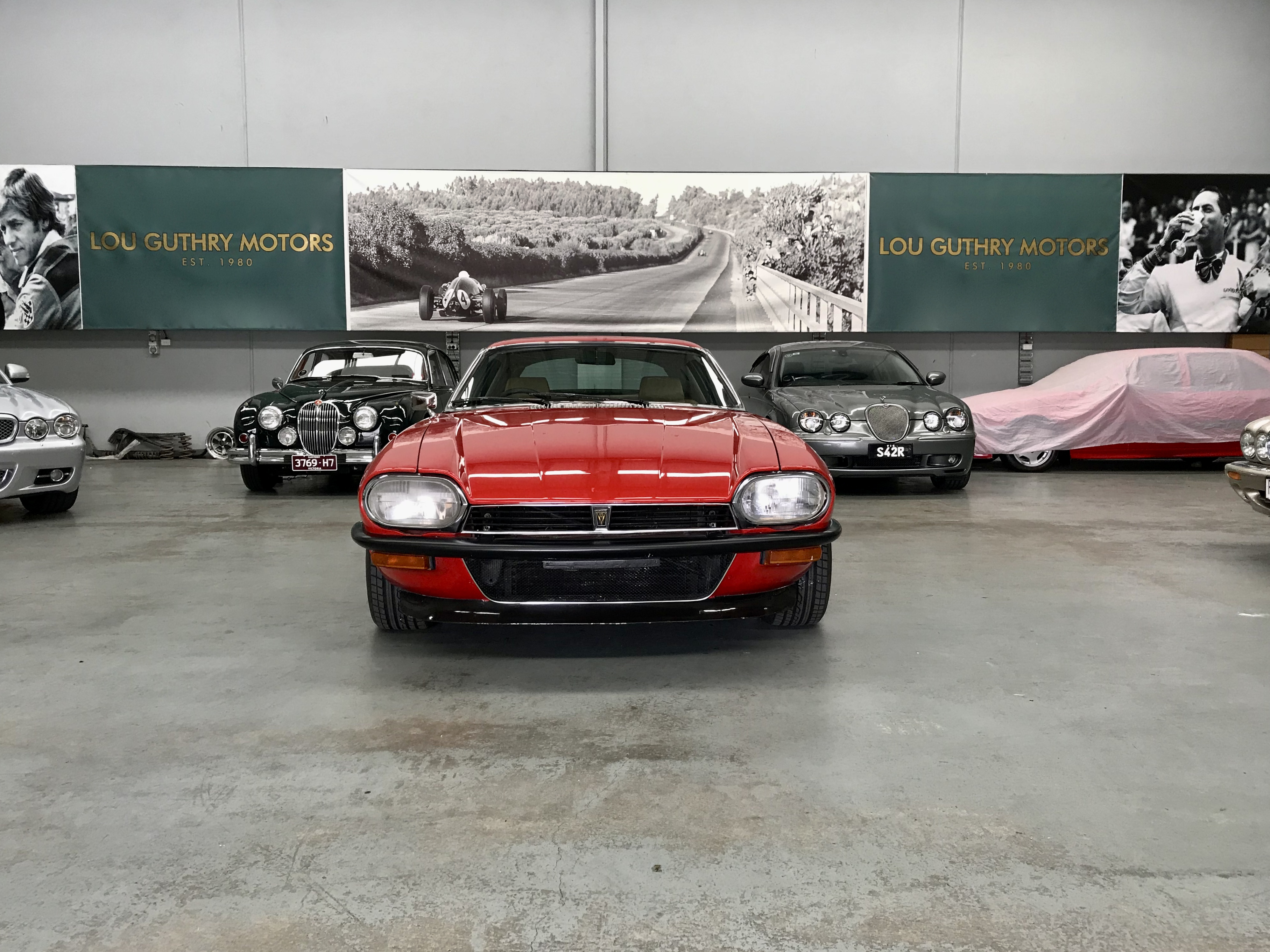
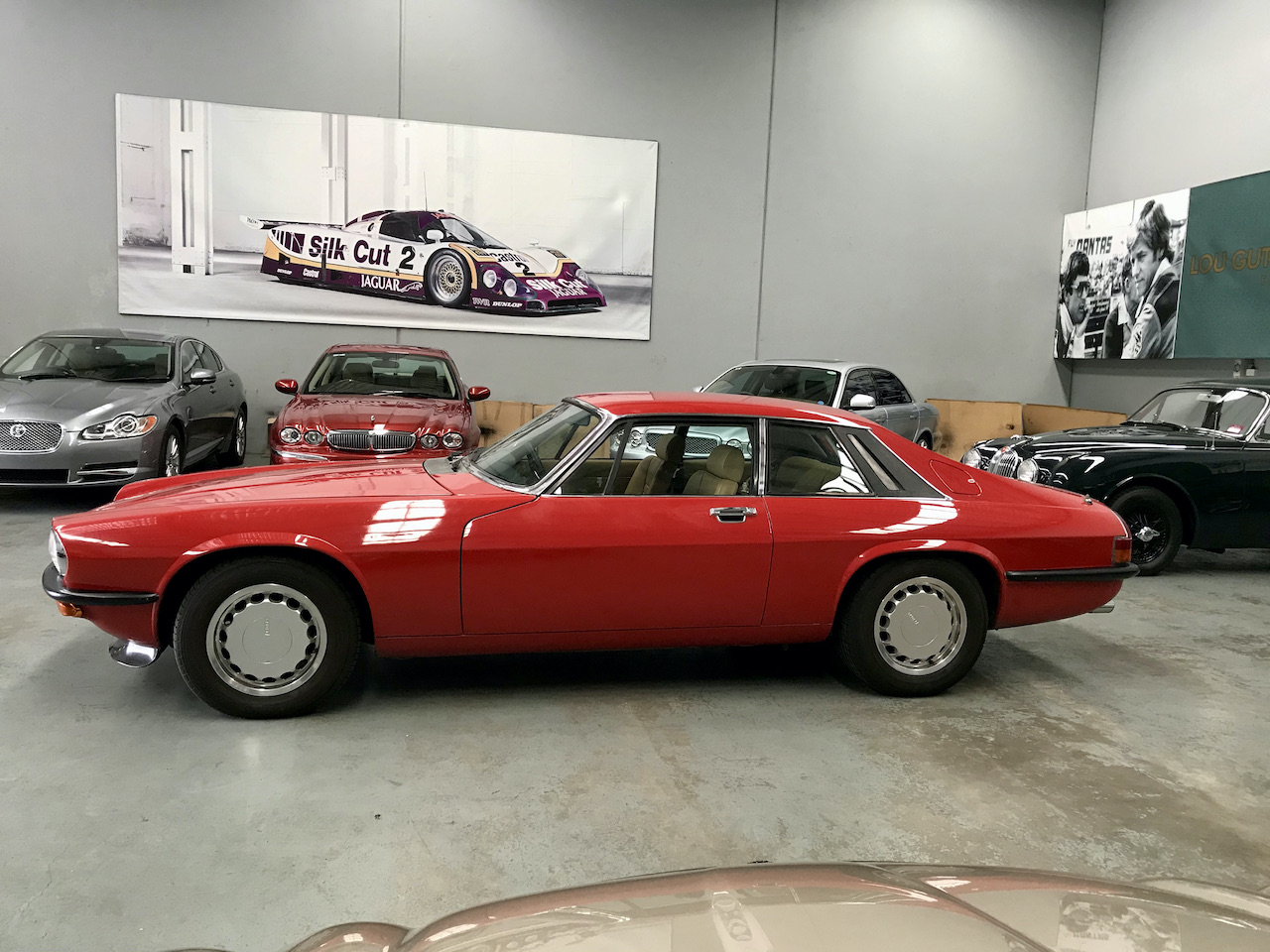
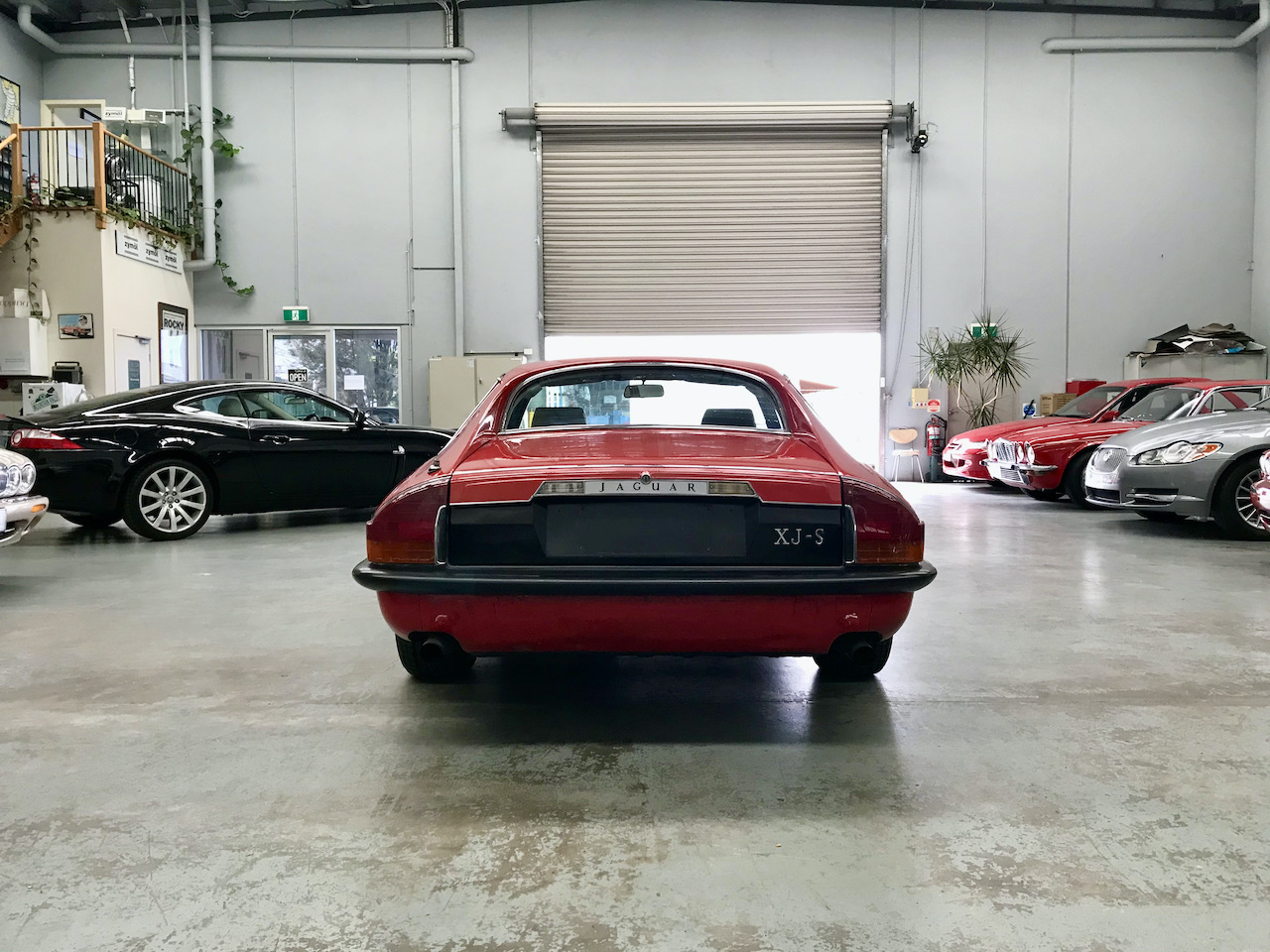
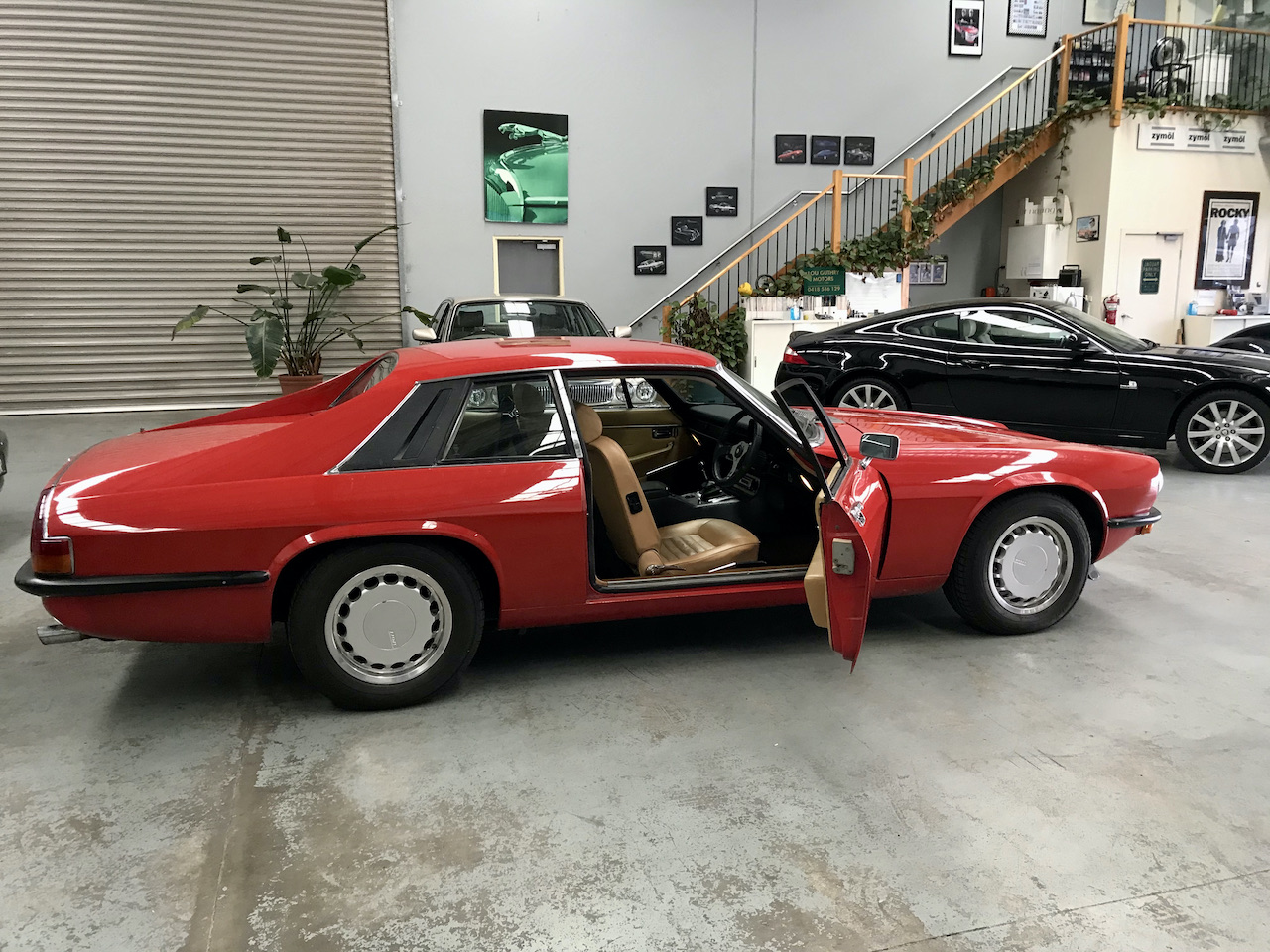
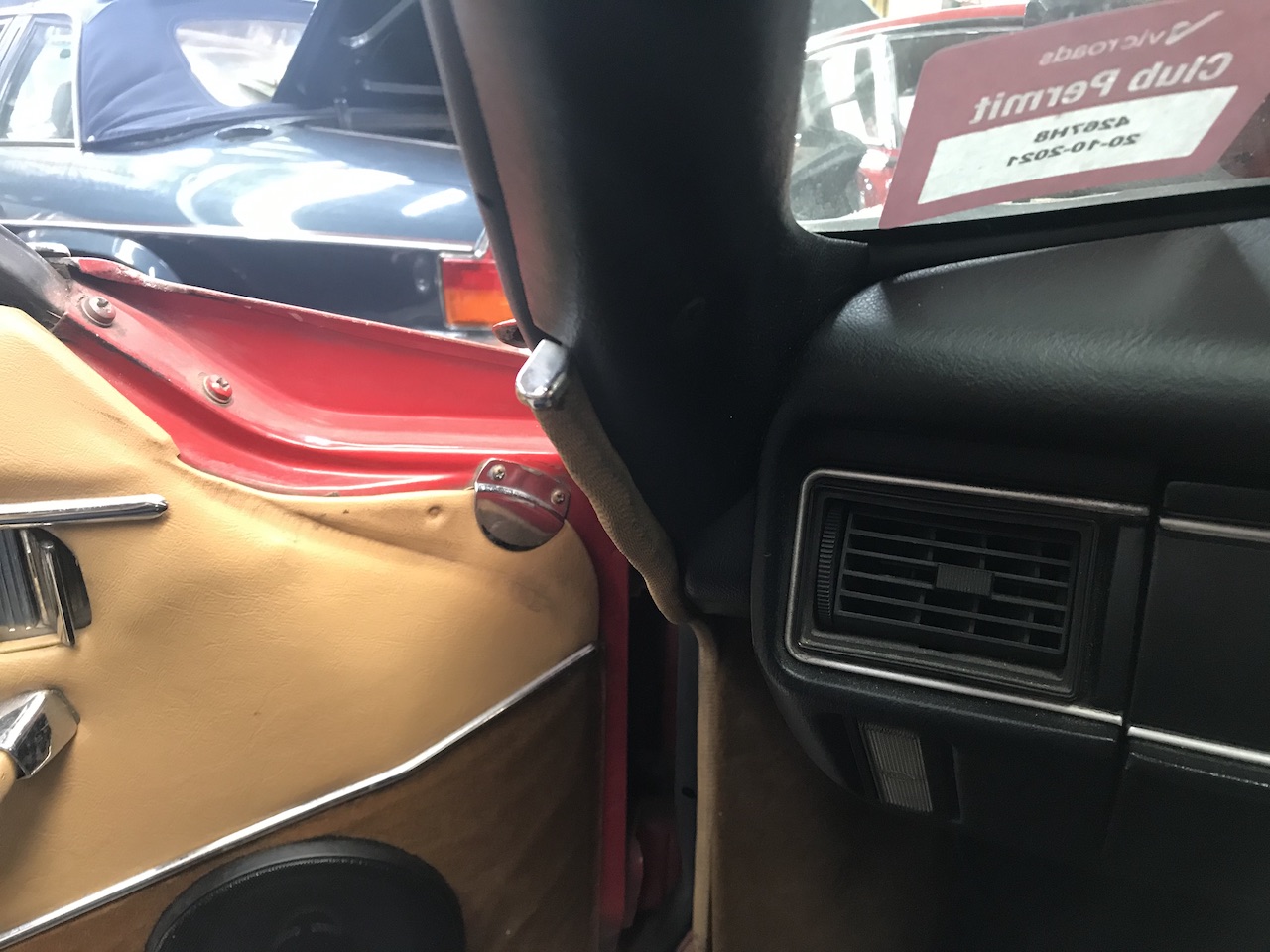
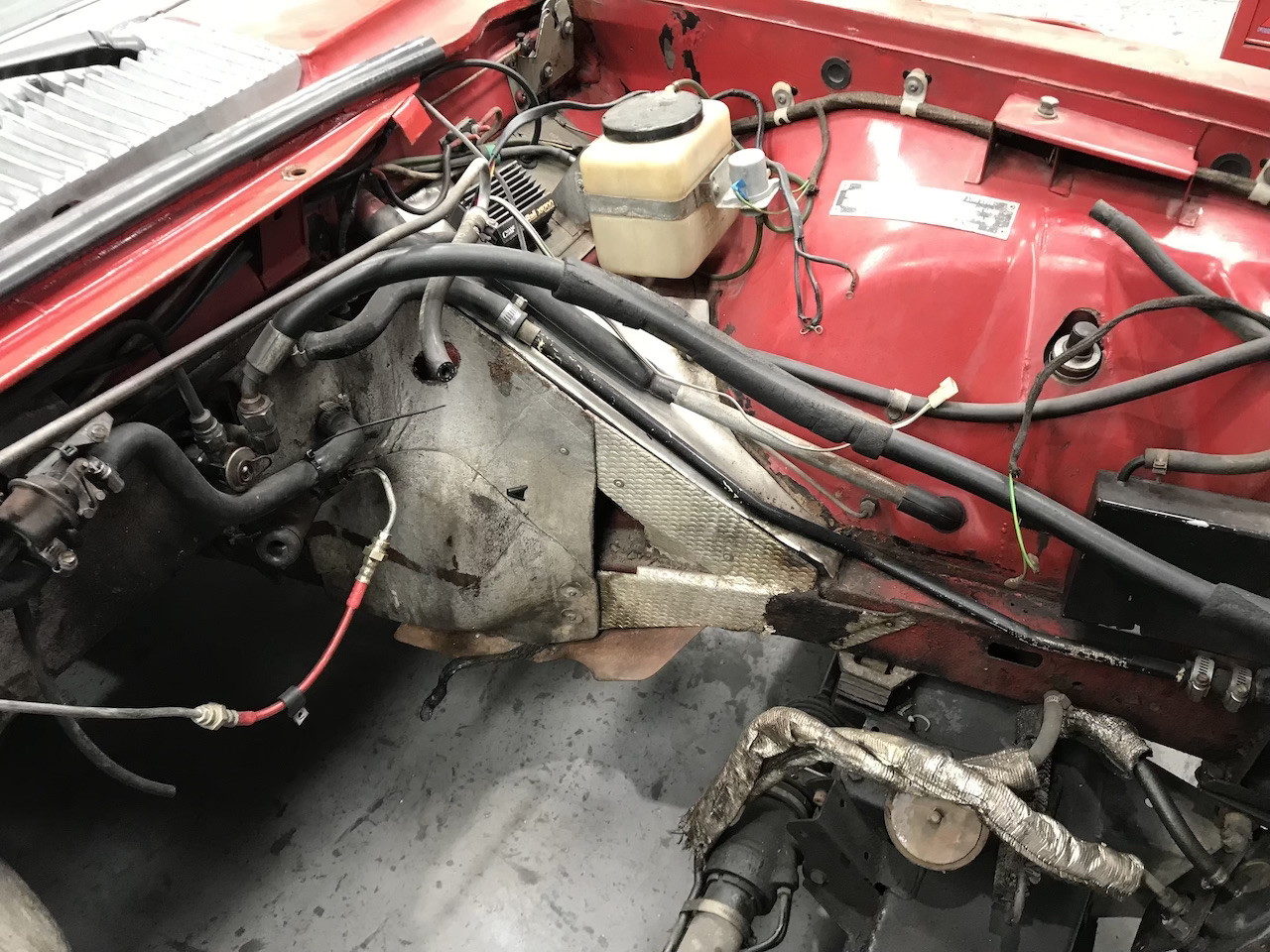
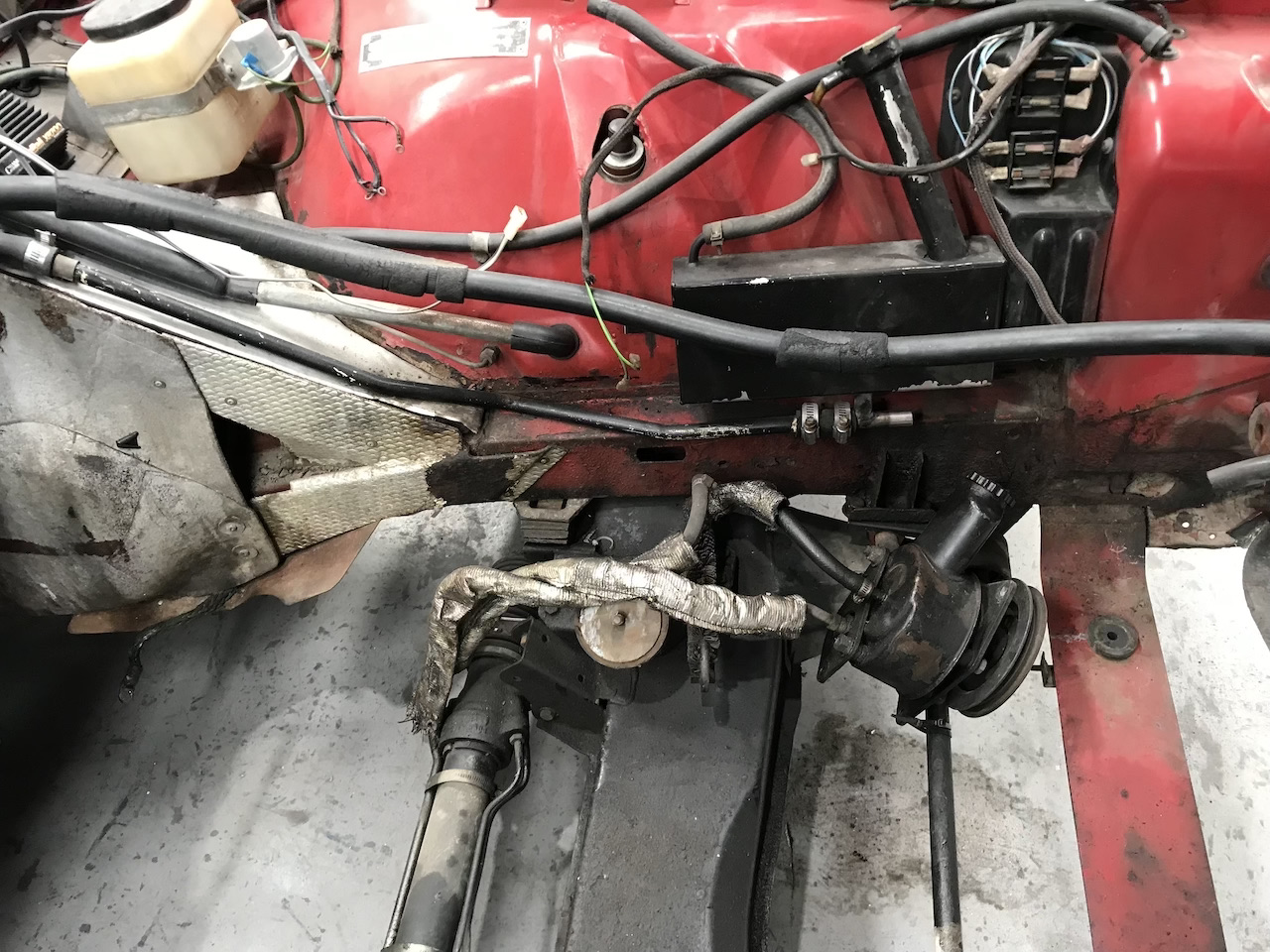
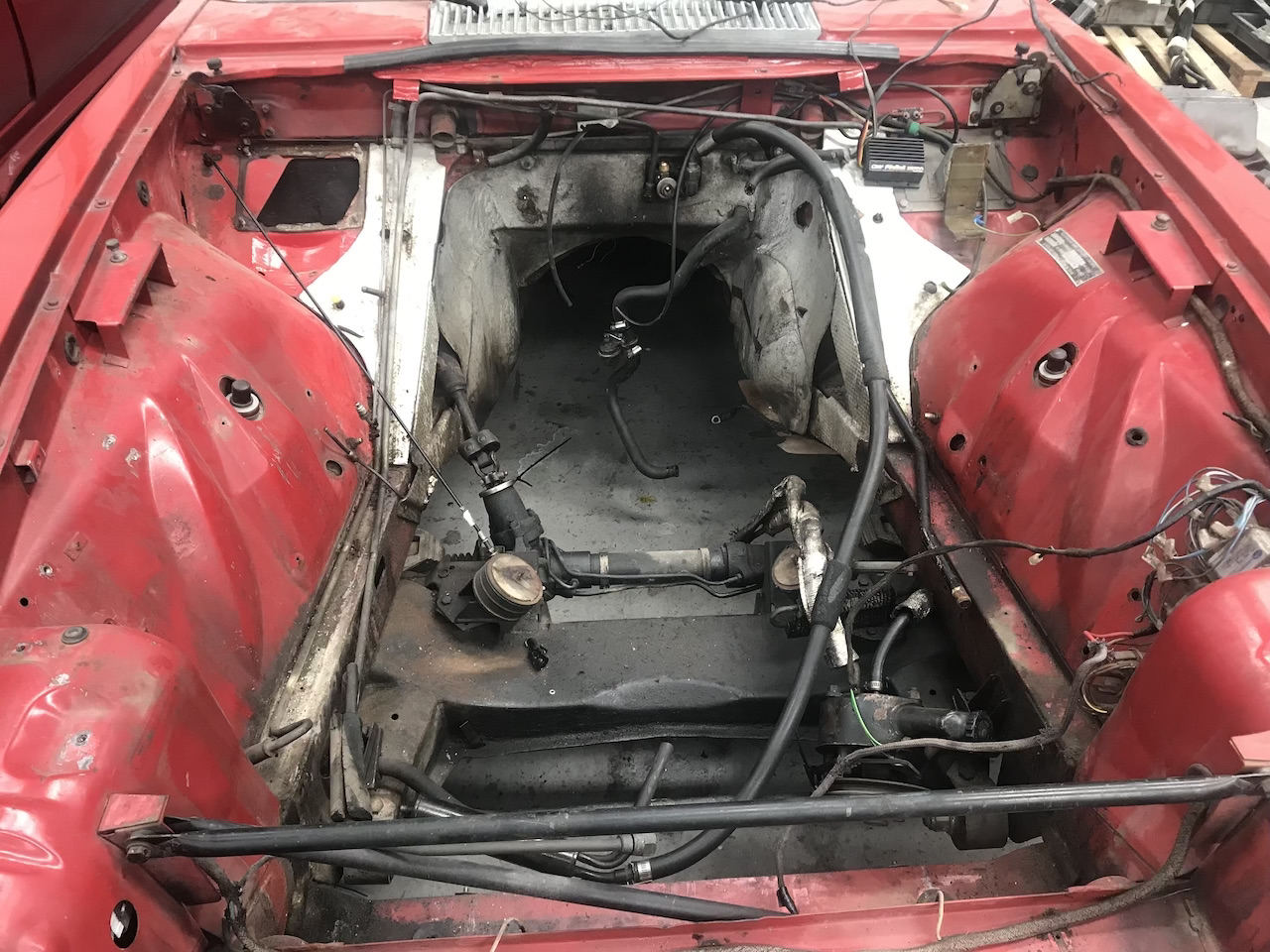
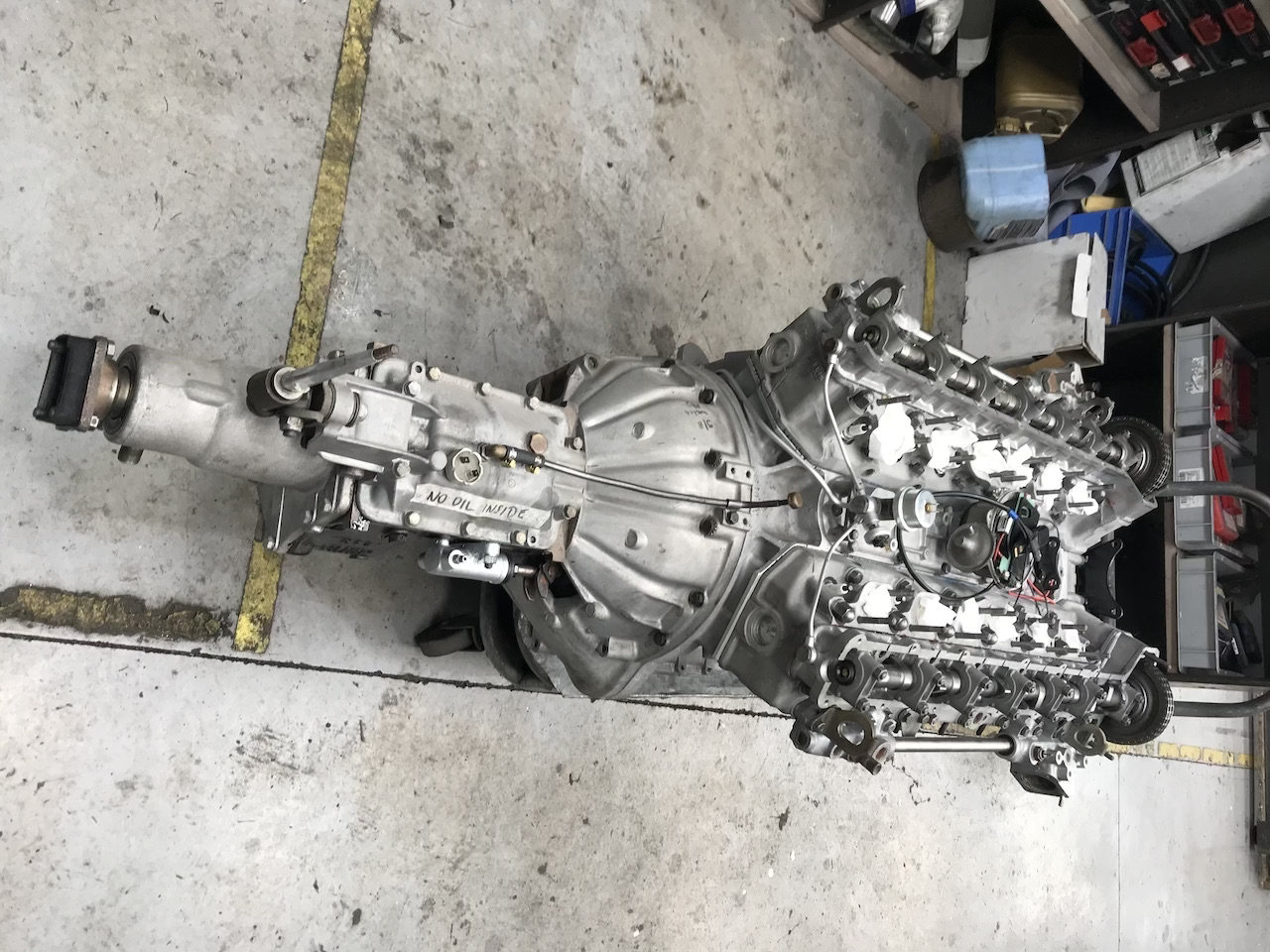
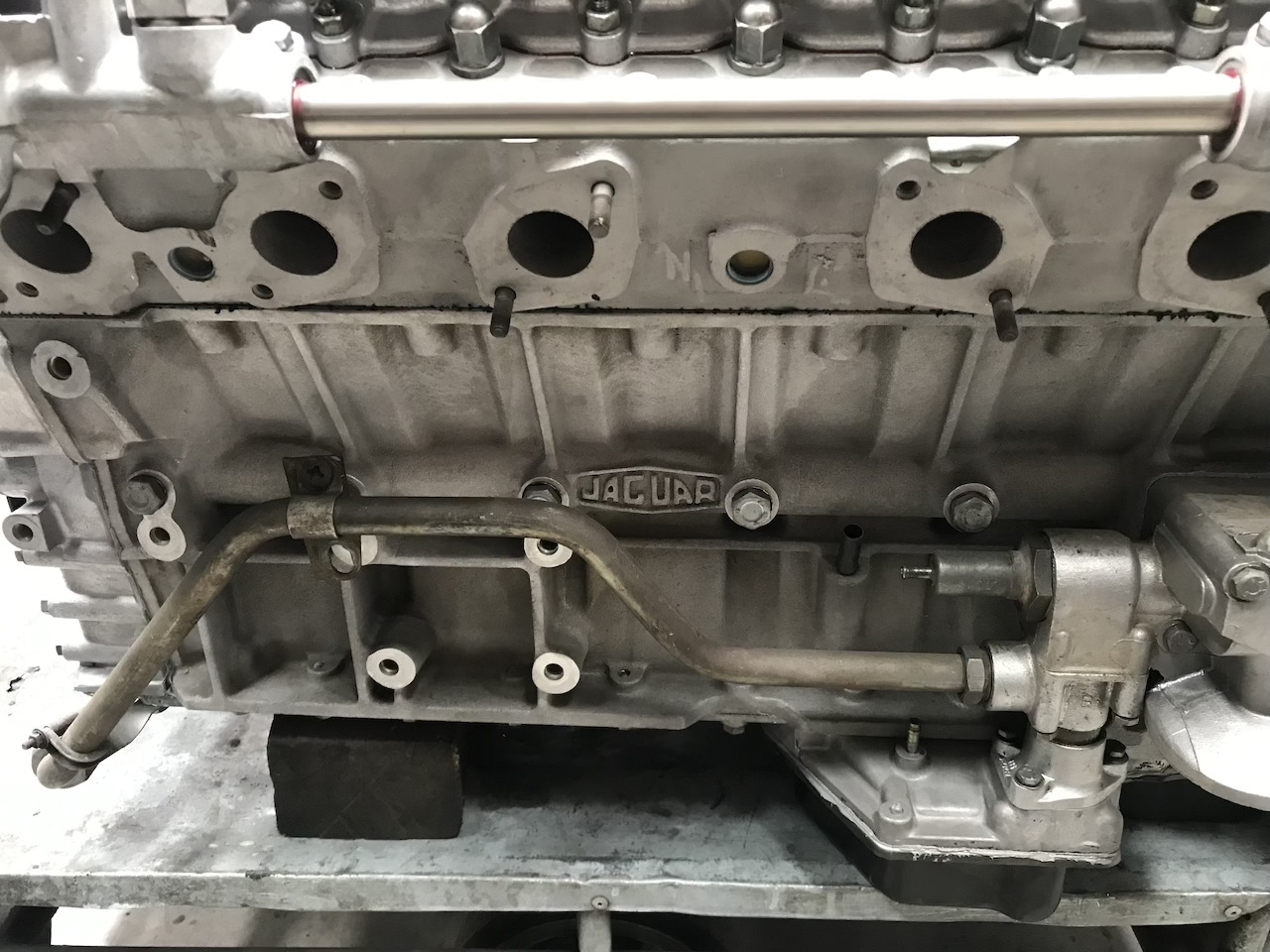
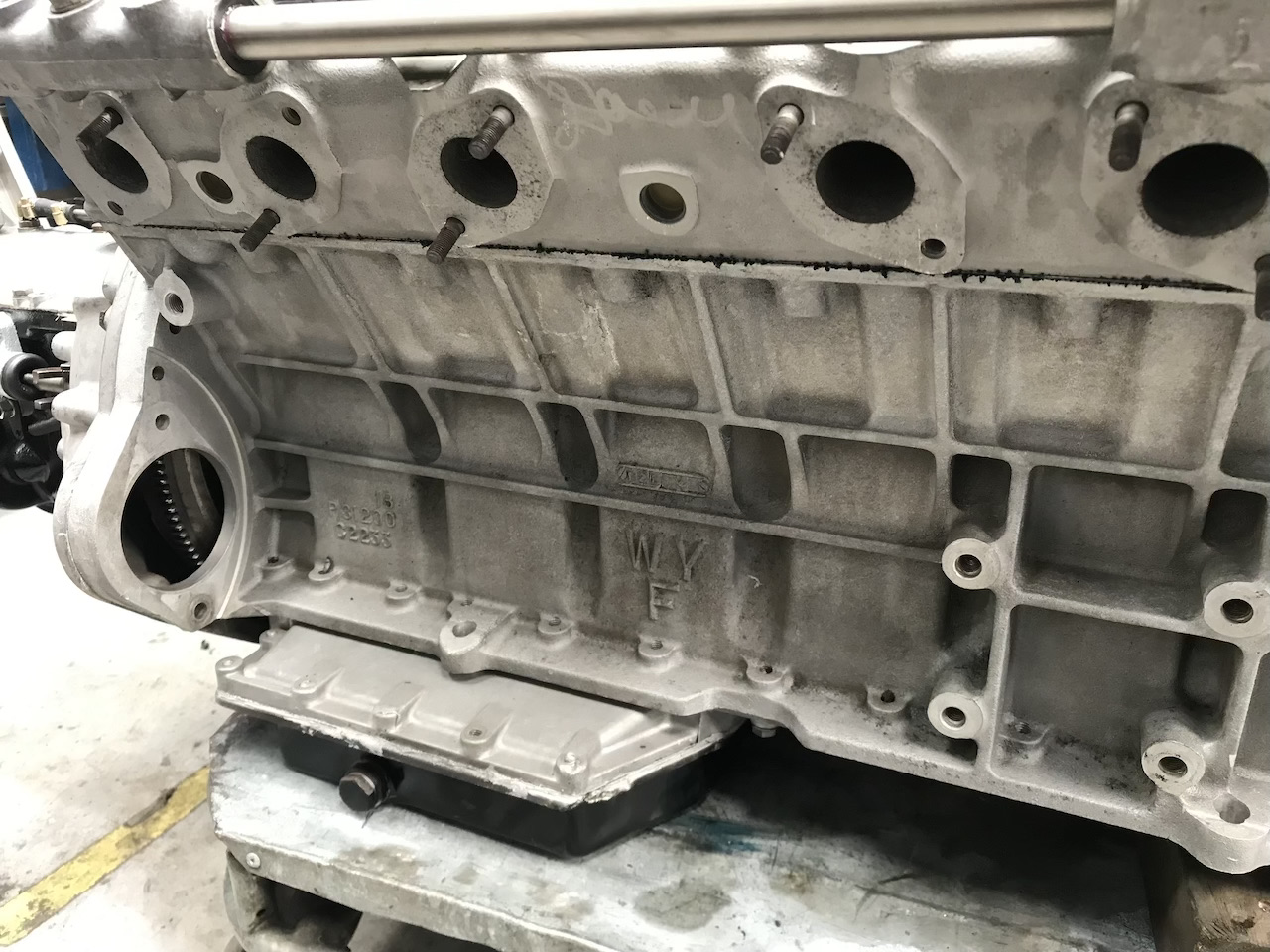
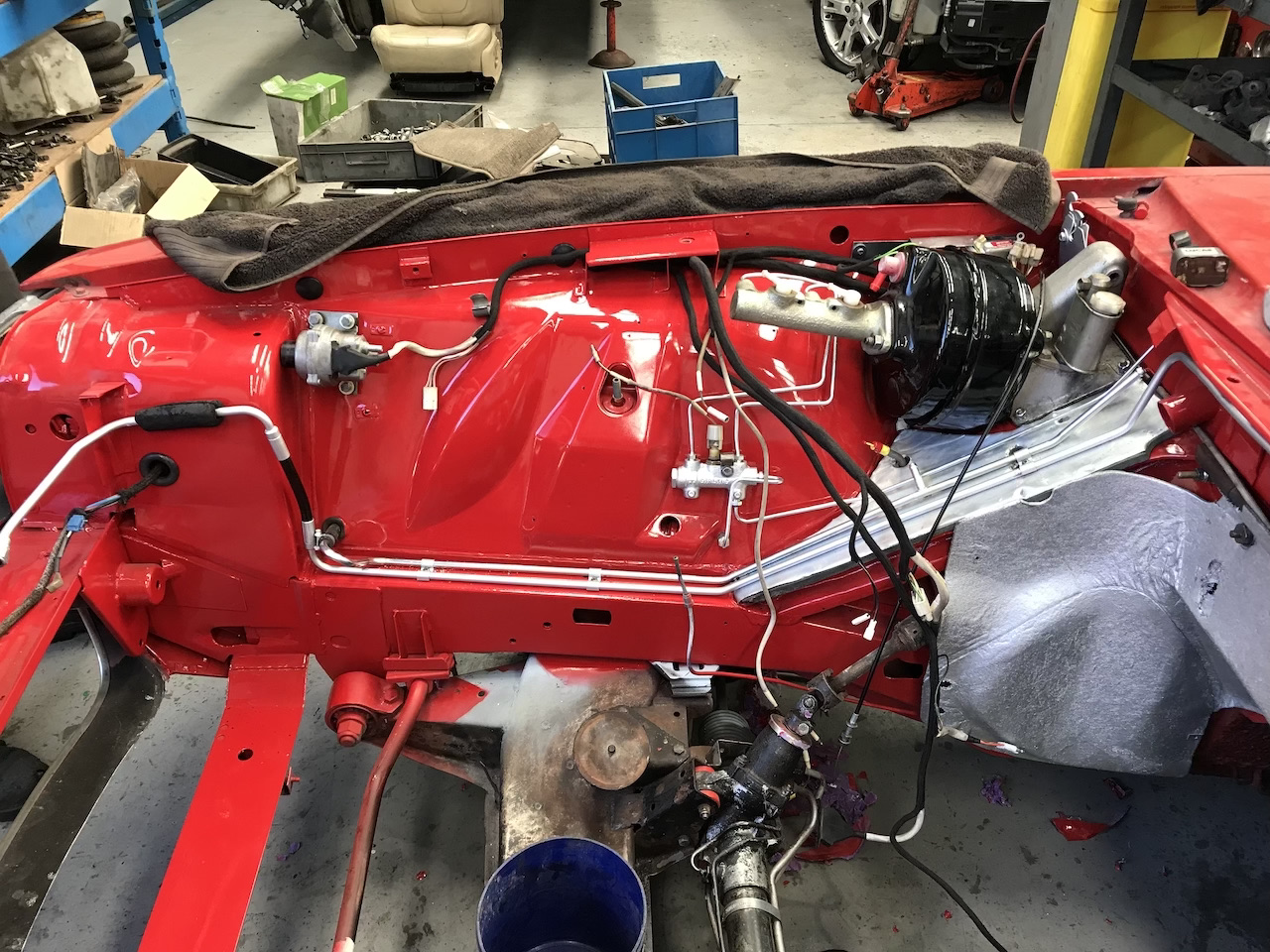
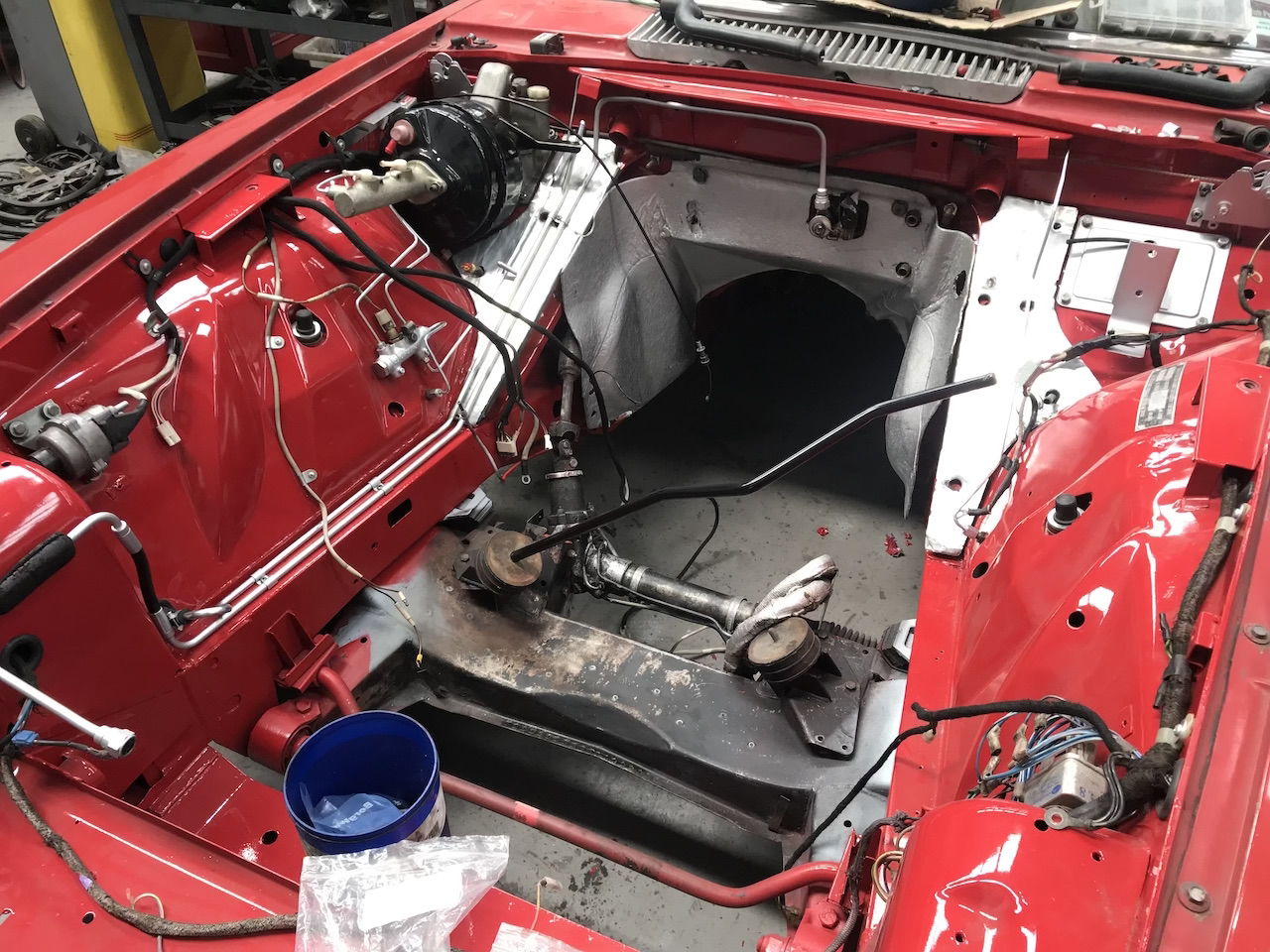
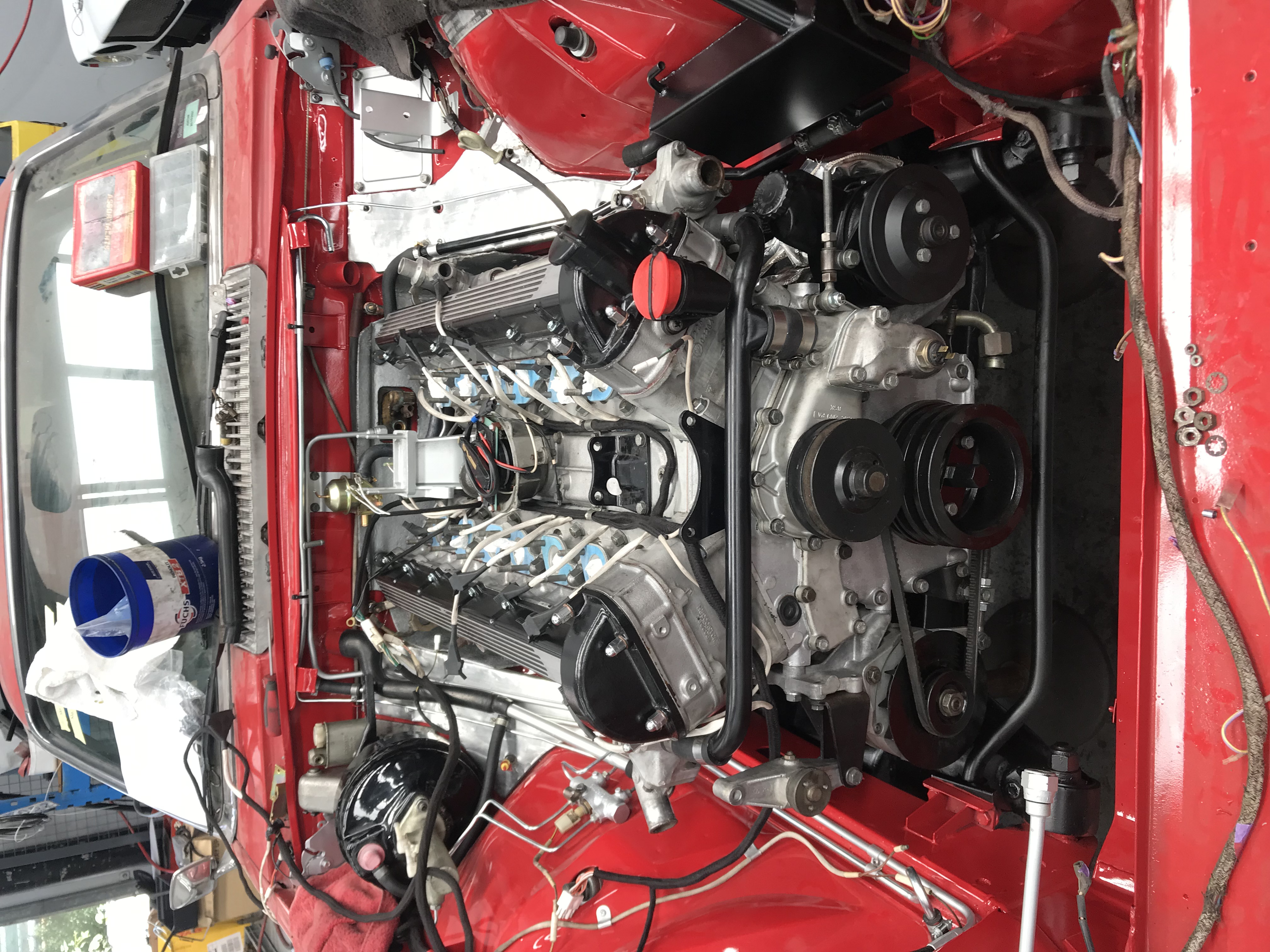
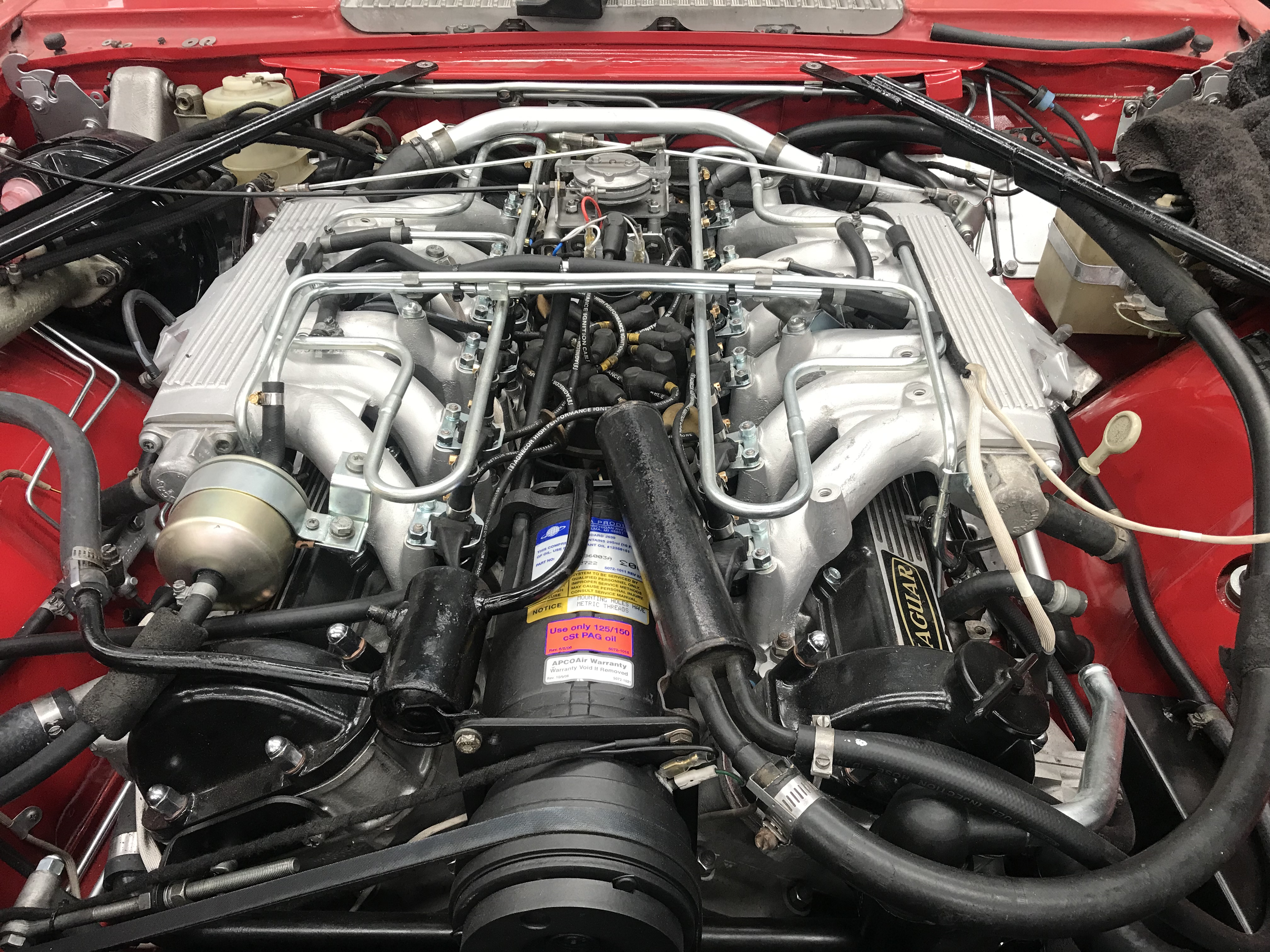


The original article on our 1975 Jaguar XJ-S build number 27 generated an incredible response from Jaguar enthusiasts around the world. Since then, the story has taken a major turn.
What we once believed was a UK-delivered experimental manual XJ-S that later found its way to Australia now appears to have a far more interesting and unusual history. After years of research, new documents have surfaced that fundamentally change what we know about the car.
We may never know every detail of what happened between the car’s build date in February 1975 and its eventual sale in Melbourne in September 1977, however we now know one thing with certainty:
#27 was sold new in Australia as a manual car.
And that changes everything.
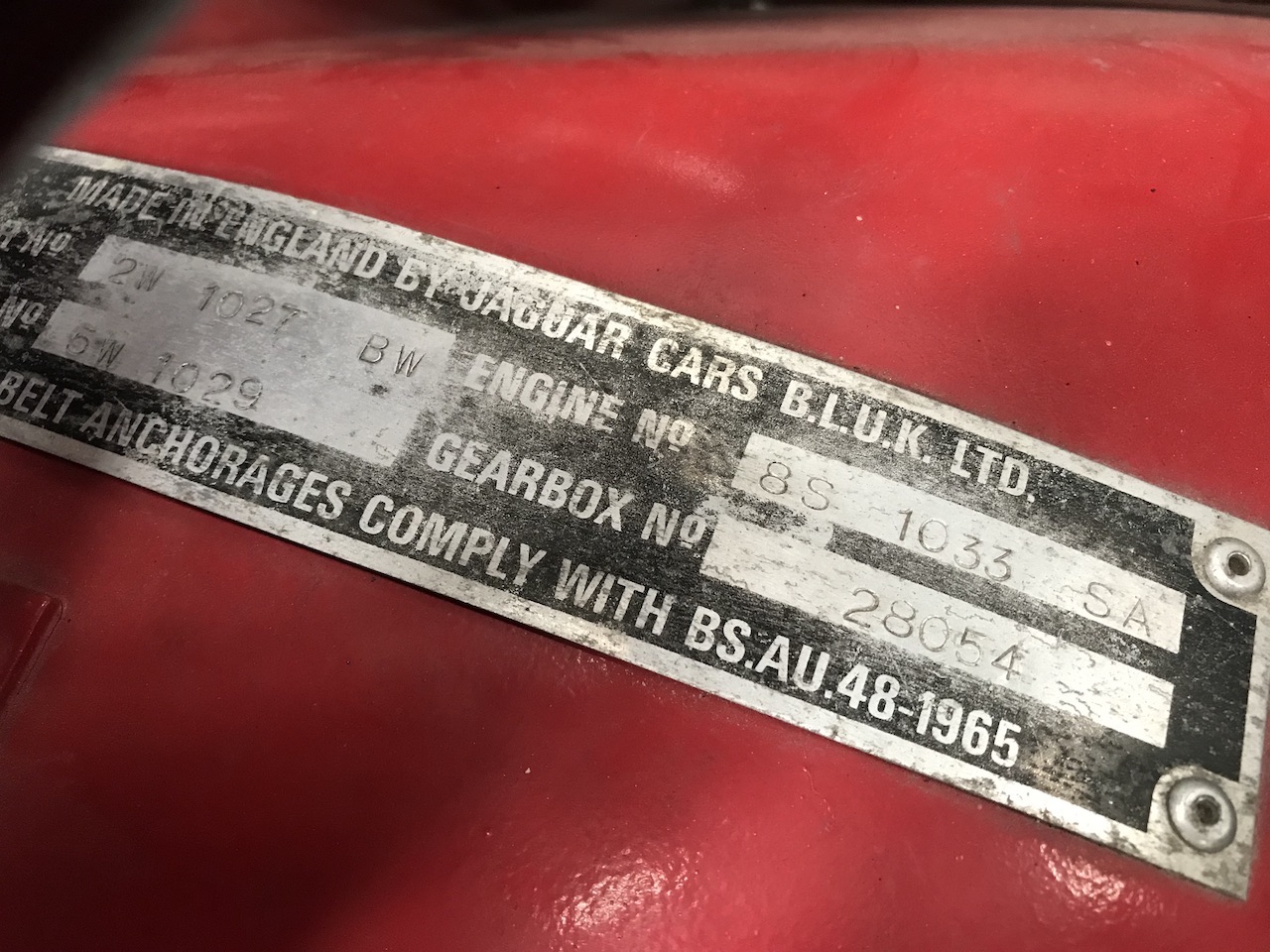
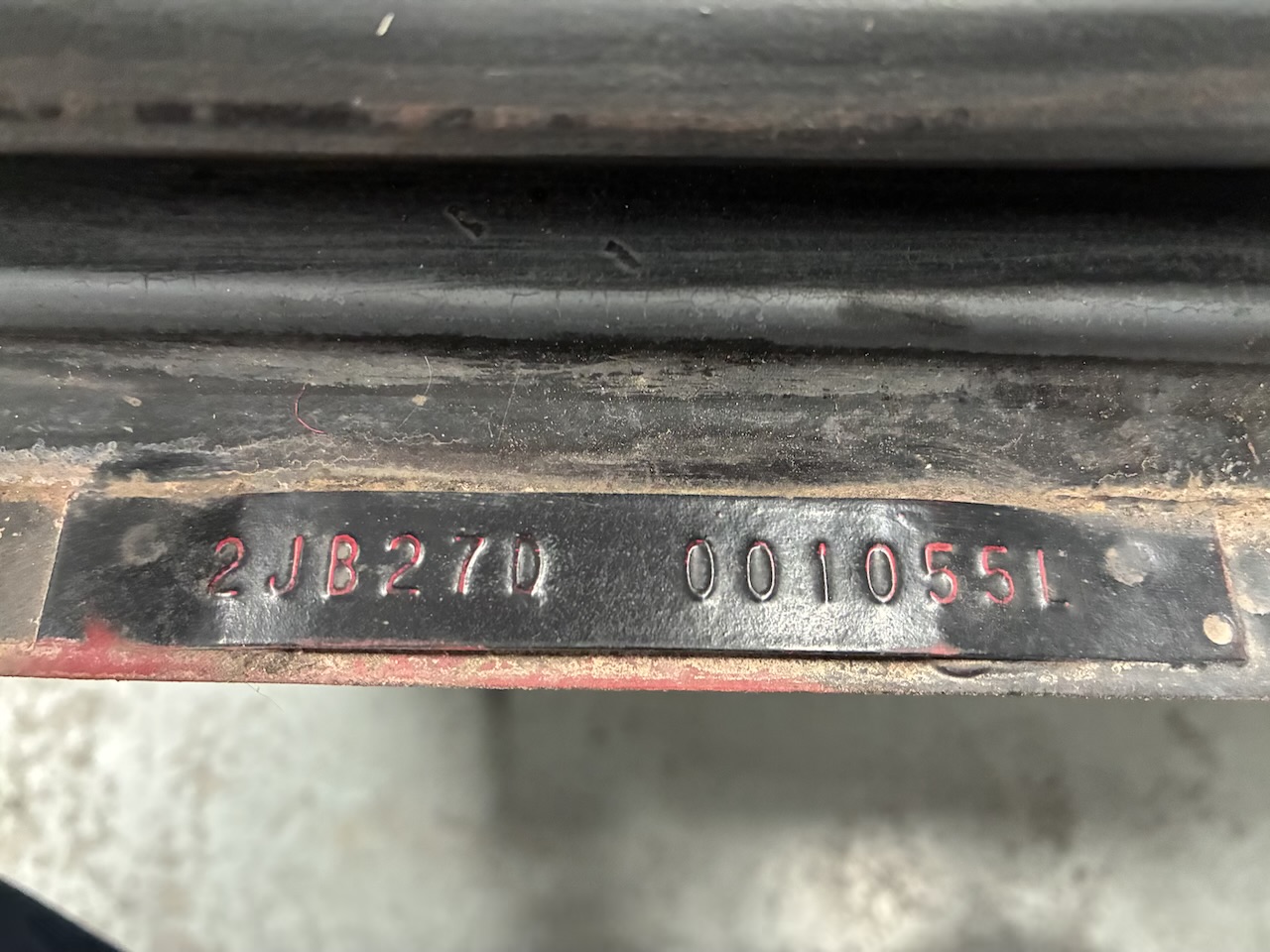
Our 1975 Jaguar XJ-S is chassis number 2W1027BW. It was built on 11 February 1975, making it the 27th right hand drive XJ-S built and one of the earliest surviving examples in existence. According to the Jaguar Daimler Heritage Trust certificate, the car was dispatched to Hollingdrake, Liverpool on 4 September 1975, just seven days before the official XJ-S launch on 11 September 1975. The Heritage Certificate lists the car as an automatic.
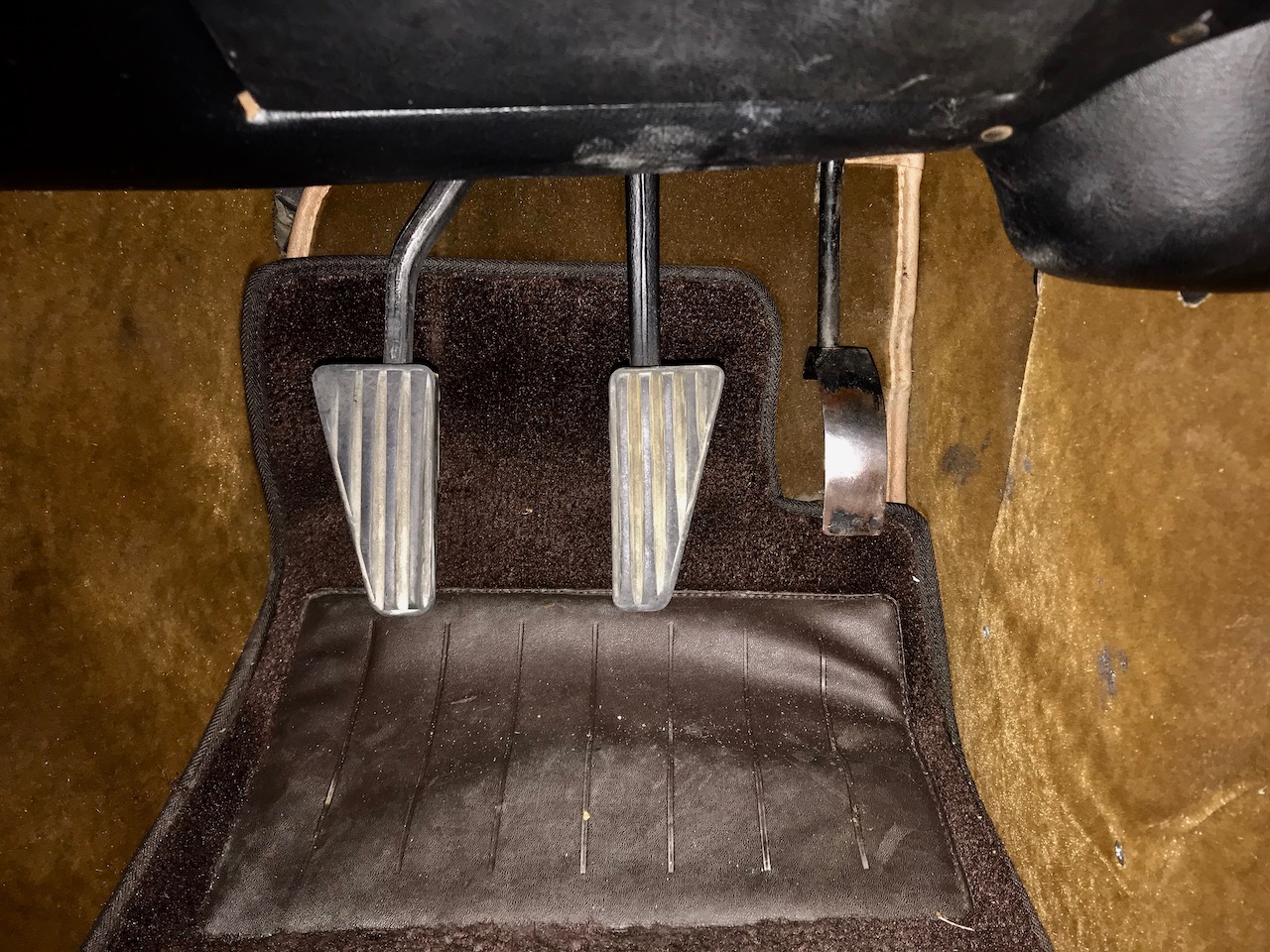
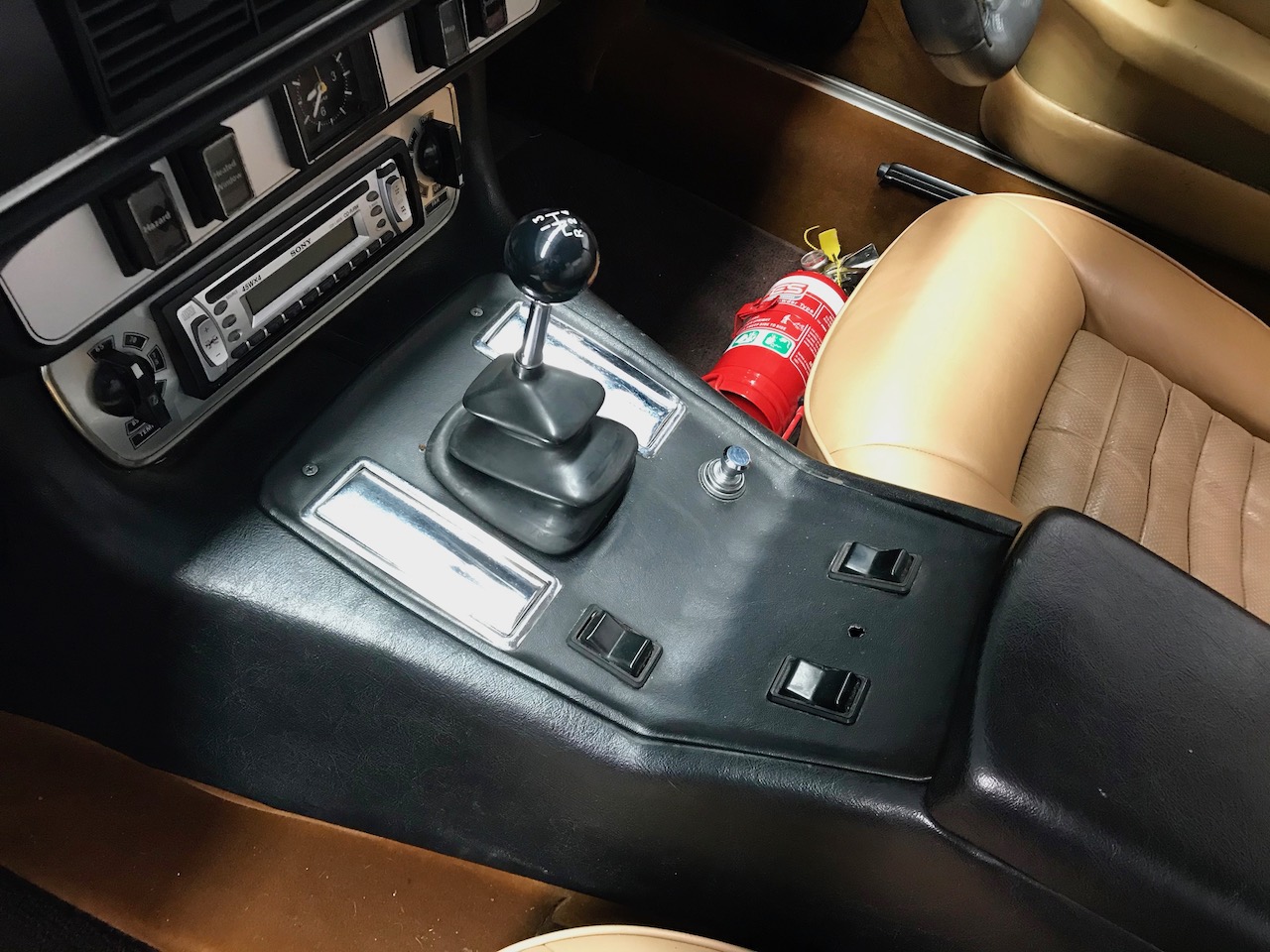
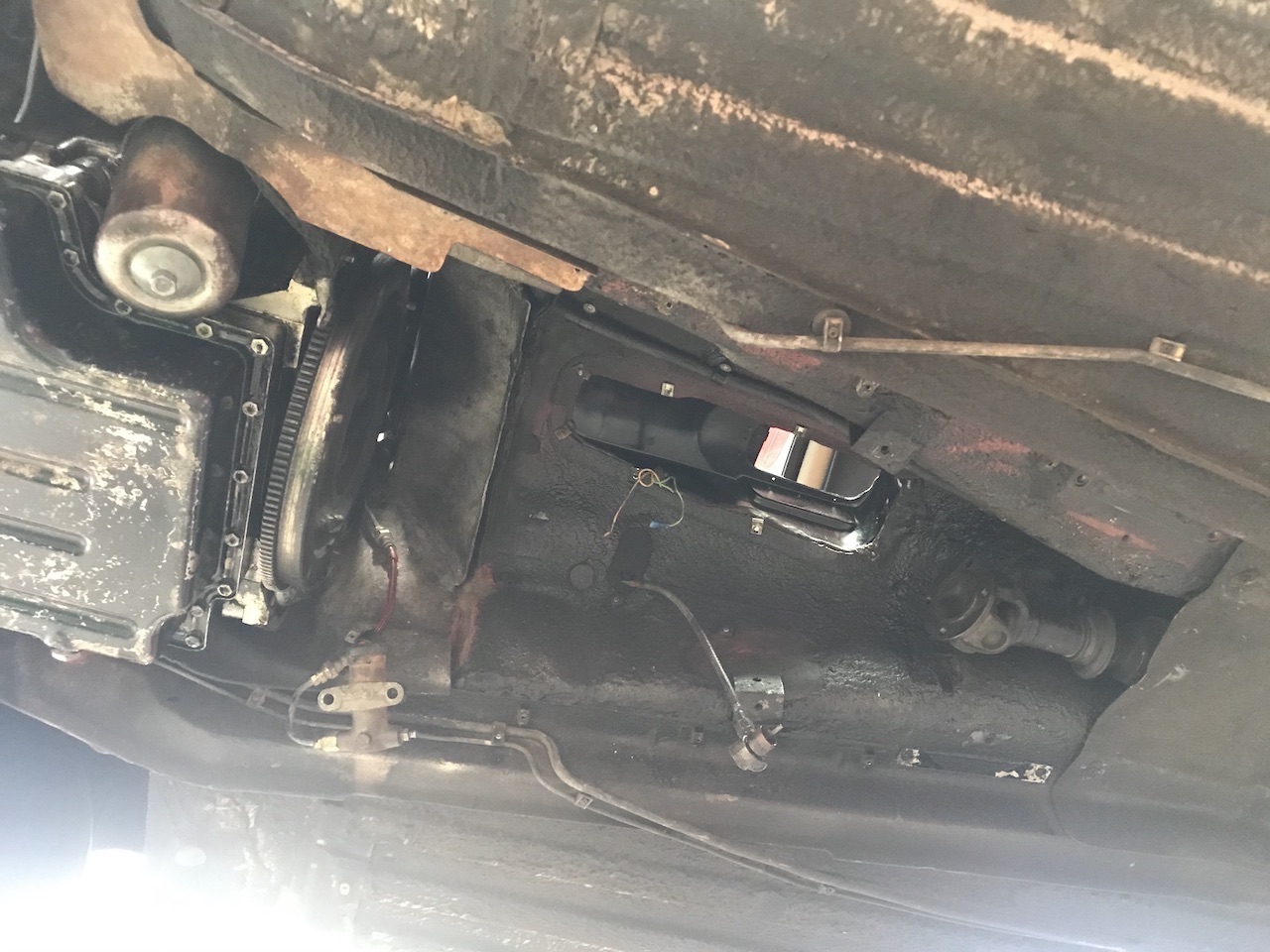
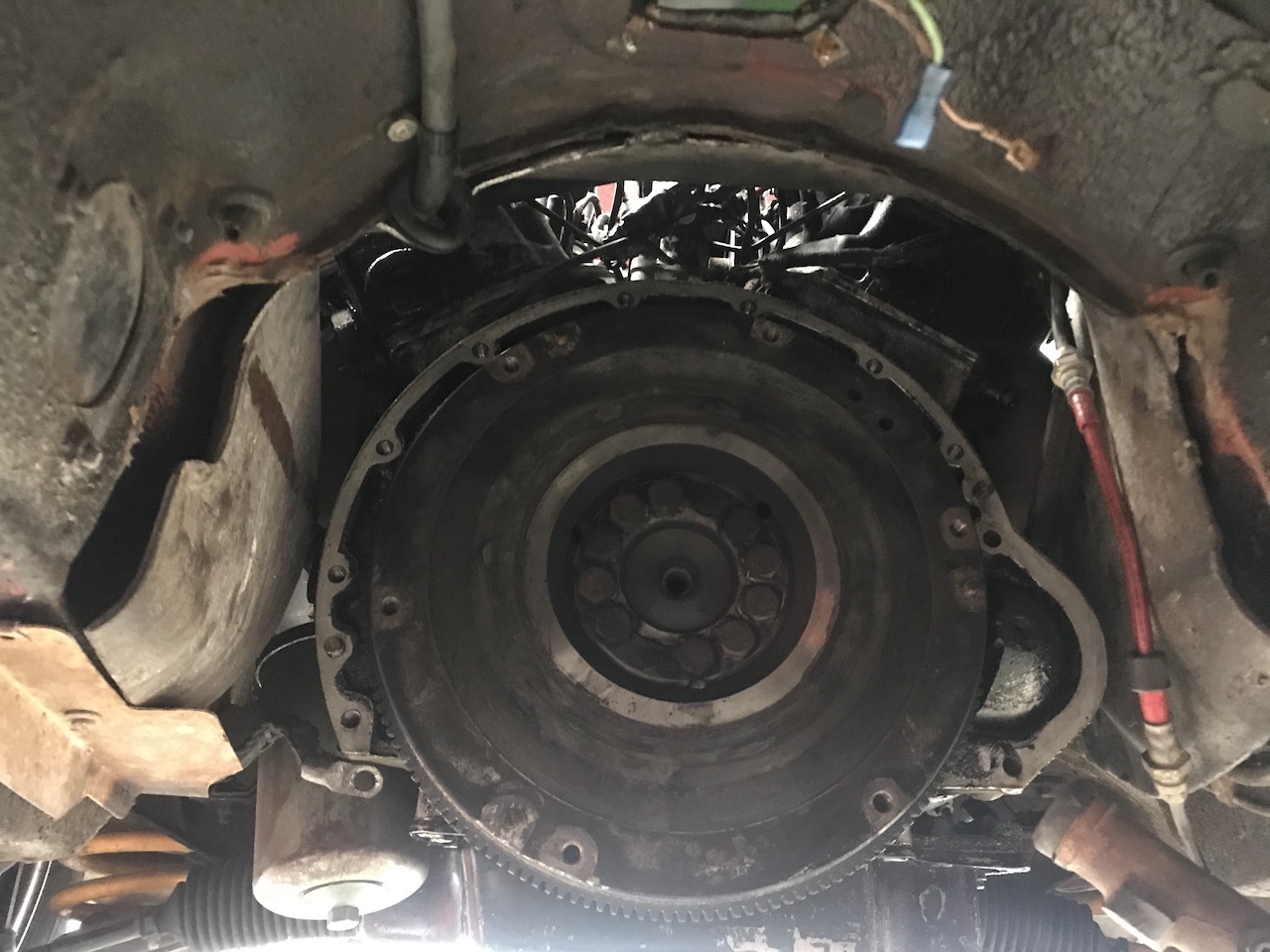
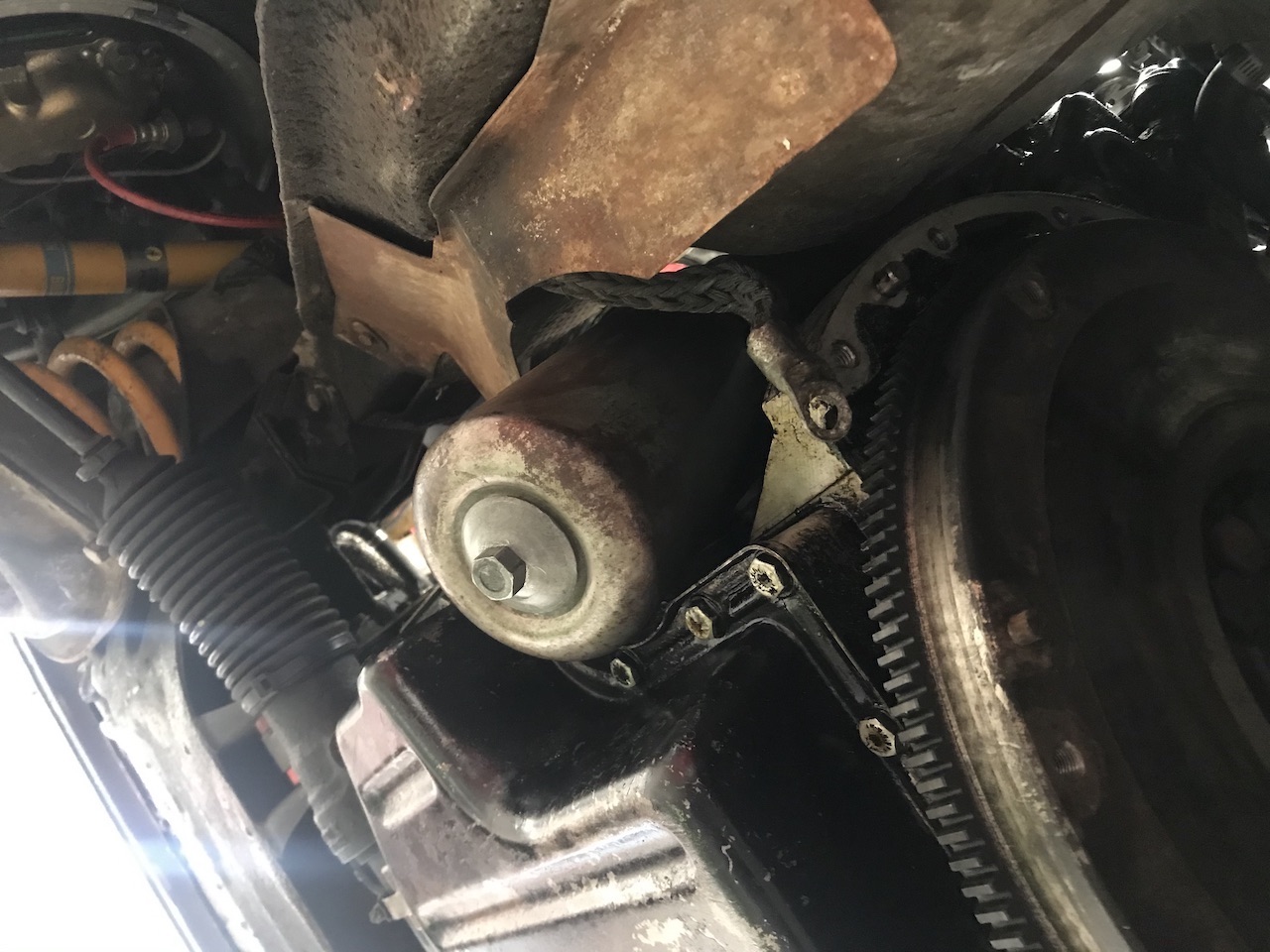
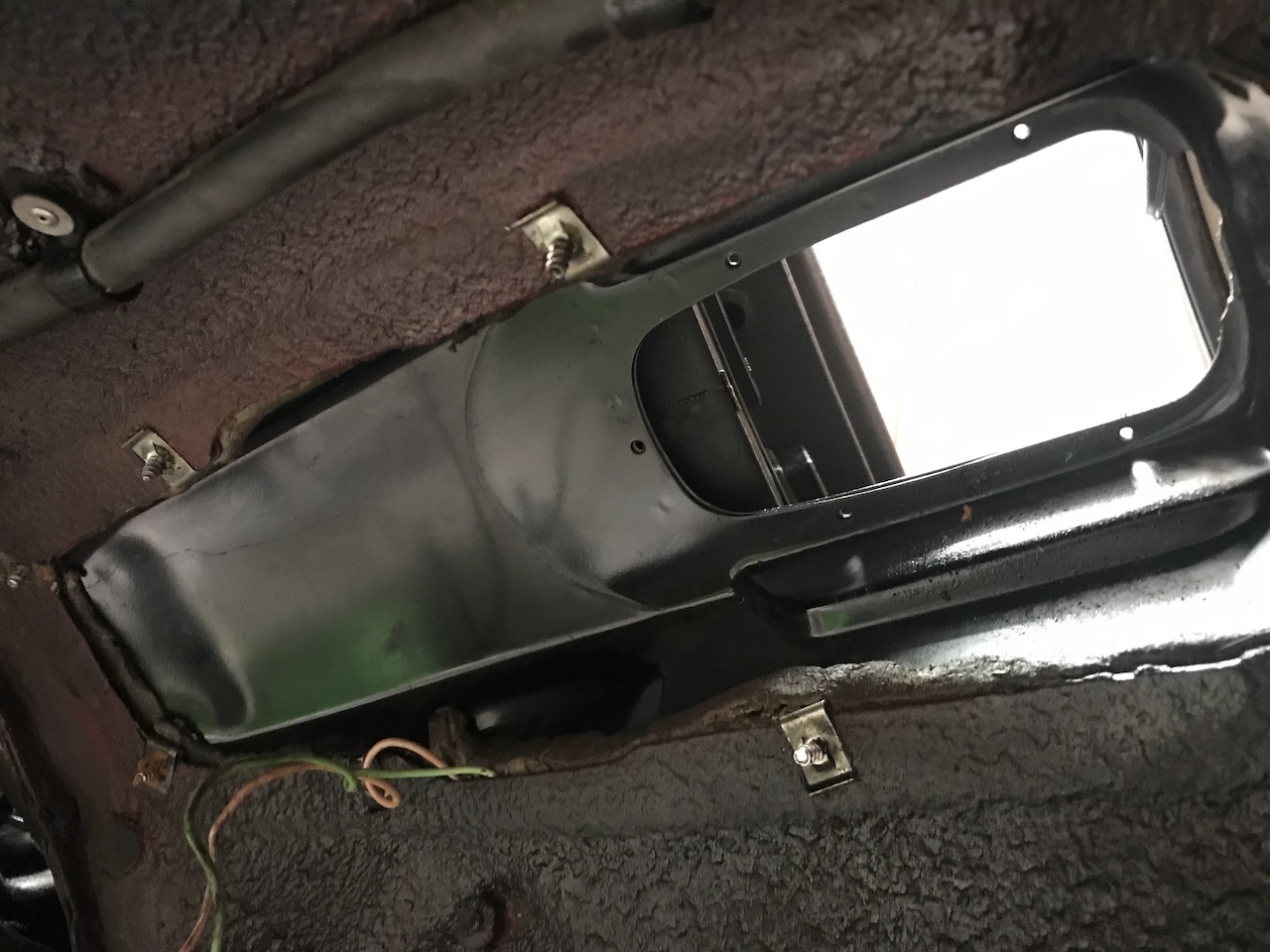
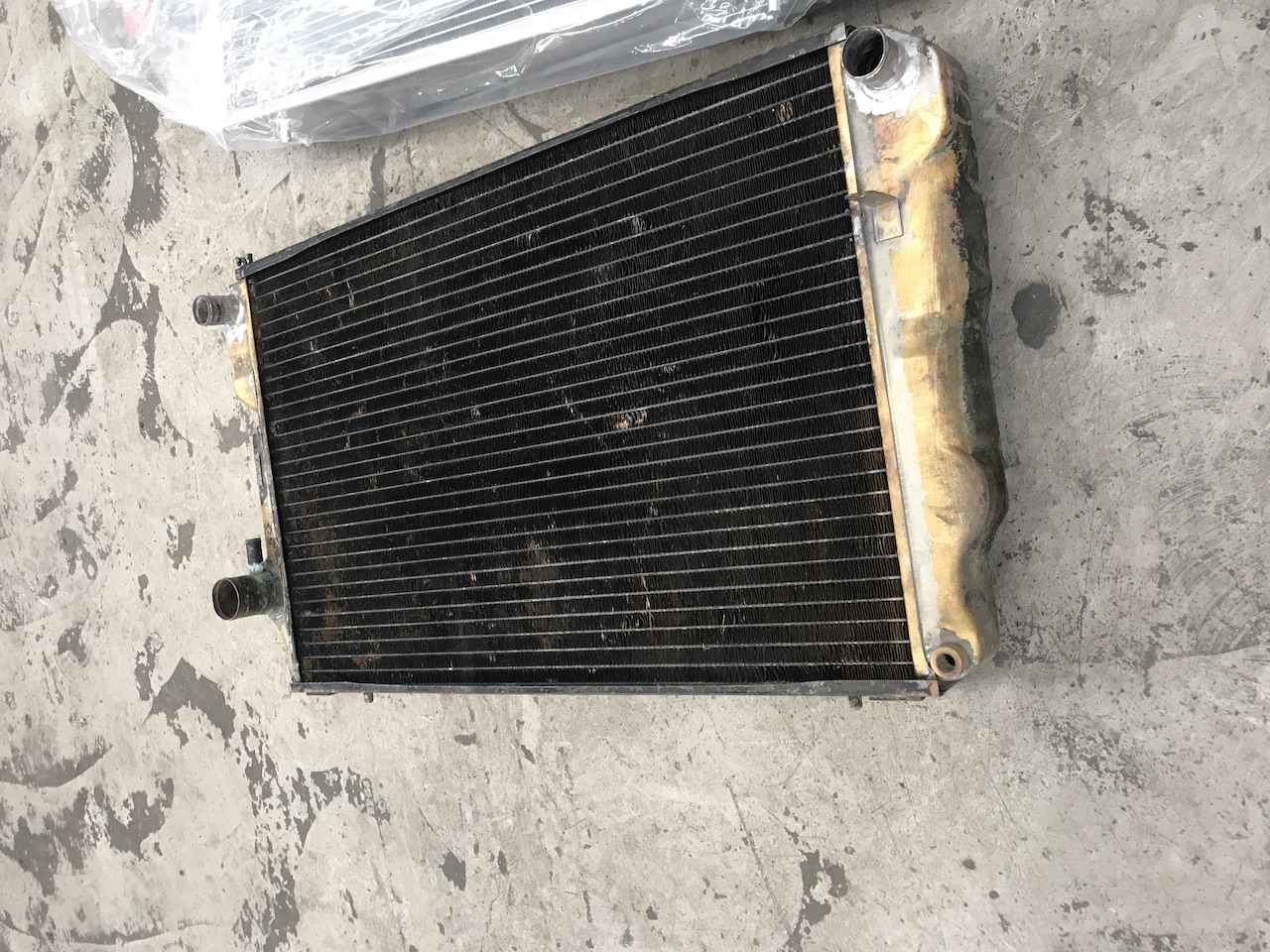
For many years this only deepened the mystery because the car itself is unquestionably a factory-style manual. All manual-related components are correct factory parts including the pedal box, gear lever, gearbox fittings, gear knob, console, boot and manual specification radiator. The gearbox itself is a factory V12 manual unit.
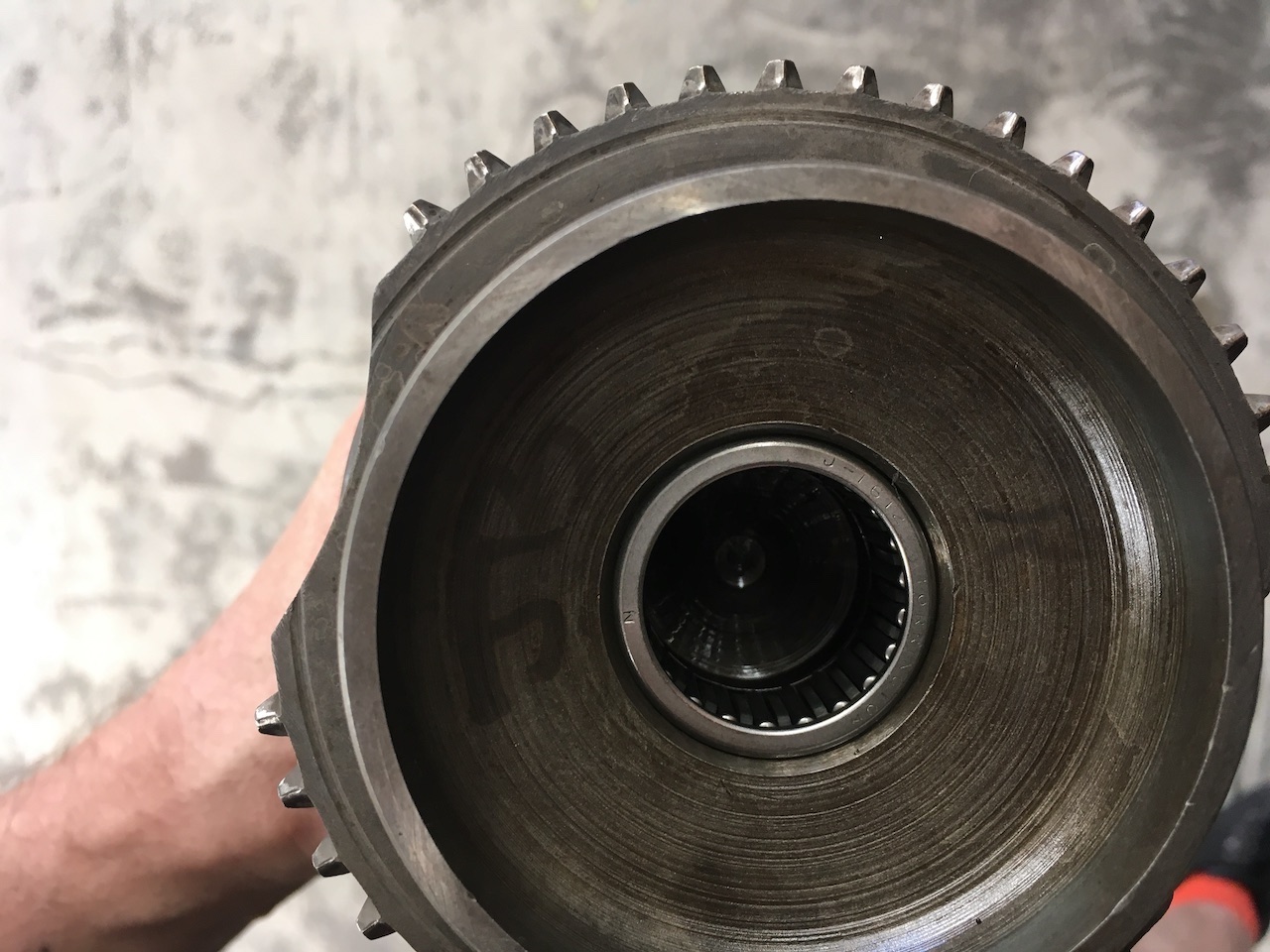
More intriguingly, when the gearbox was dismantled during restoration, an inscription reading “JB” was discovered on the clutch input shaft. Former Jaguar Experimental Department engineer Ed Abbott identified this as Jim Blackler, one of the two men responsible for transmission development inside Jaguar Experimental under Ray Townshend.
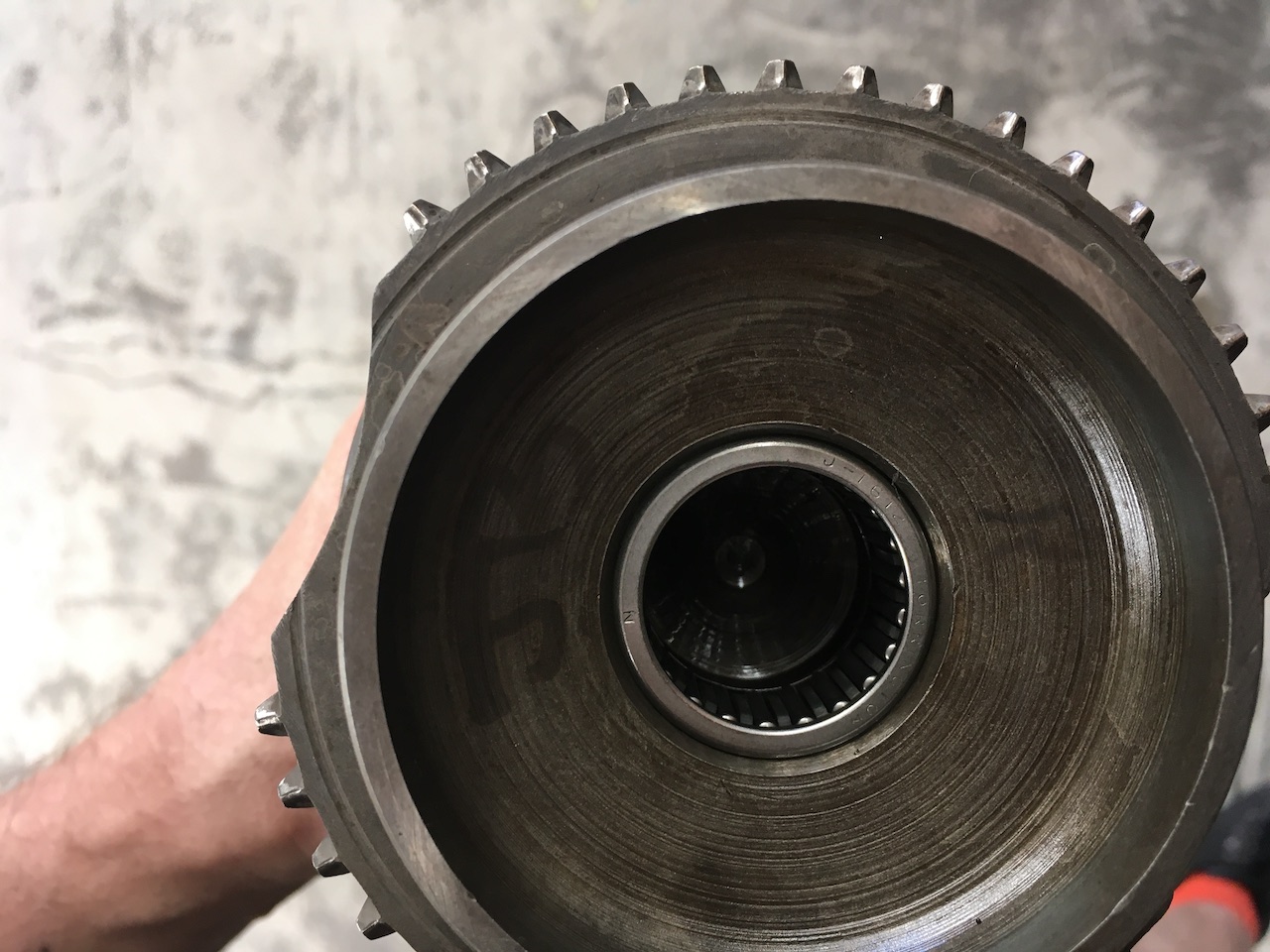
Ed Abbott explained:
“For fuel economy or performance testing cars had to be manual, so many were converted in Experimental made from 'bits' lying around the workshop. Also when ex-test cars were sold, they were usually sold to preferred customers who might specify manual transmission and as a favour this would be carried out. It’s not on any Experimental fleet list, but there were odd cars in Experimental that were on no lists!"
This strongly suggests the gearbox, and potentially the entire conversion, originated within Jaguar Experimental.
For years we believed the car may have been converted before dispatch to Hollingdrake. However recent discoveries now suggest a different and more logical timeline.
Everything changed after a club member told us about the Association of Motoring Clubs engine record search service. A search revealed the car’s original Victorian registration:
IXT-700 - Registered 21 September 1977
The engine record card confirmed:
- Engine number 8S1033SA
- Chassis number 2W1027BW
- Red Jaguar Coupe
- Registration IXT-700
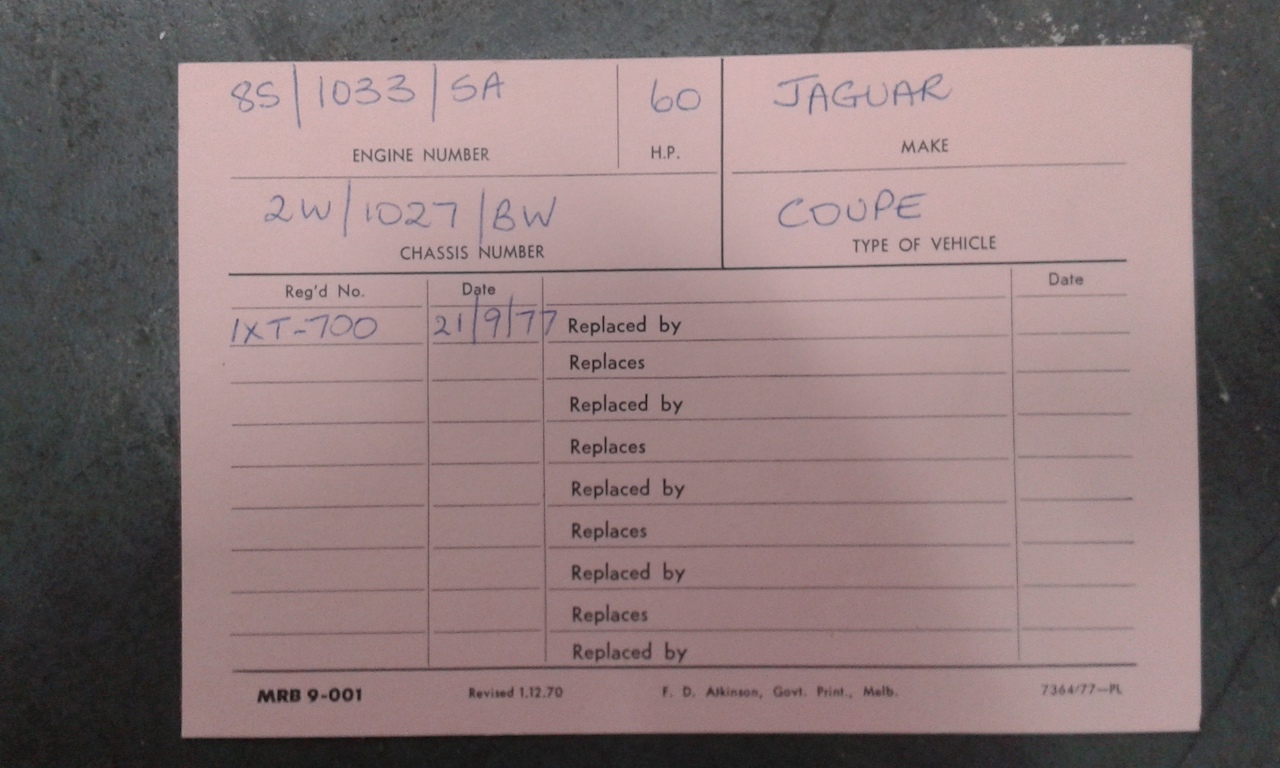
This was a major breakthrough because among the paperwork that came with the car was its original Passport to Service booklet and owner’s manual. We had previously disregarded these documents because the delivery date did not align with the 1975 build date and the chassis field in the Passport to Service booklet had been left blank. Even stranger, the engine number recorded inside the book was not a Jaguar engine number at all.
We assumed the books belonged to another car.
However after discovering the registration number through the AOMC search, we went back through the paperwork and realised the owner’s manual itself had IXT-700 handwritten in the registration section. The Passport to Service booklet also referenced the same registration number.
The Passport to Service booklet records:
- Pre-delivery service completed by Brysons Melbourne
- Date: 10 September 1977
- Odometer: 69 kilometres
- Owner: Miss N Tullo
This proves the car was sold new in Melbourne by Brysons and had covered only 69 kilometres at the time of pre-delivery.


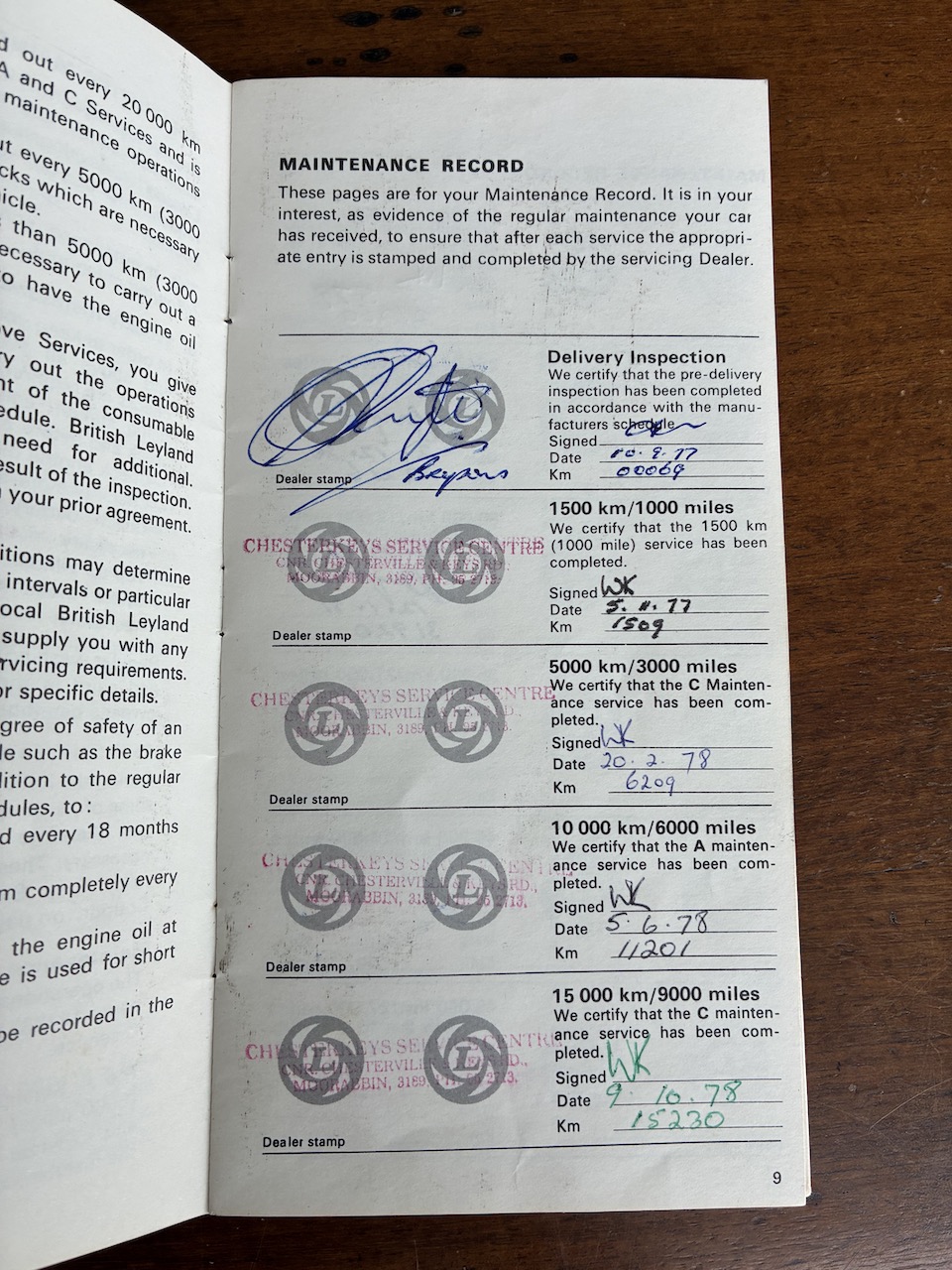
We now believe “N Tullo” refers to prominent Victorian fashion figure Norma Tullo, whose name and Richmond address appear in the documents accompanying the car and makes #27 an exceptionally high-profile early Australian XJ-S.
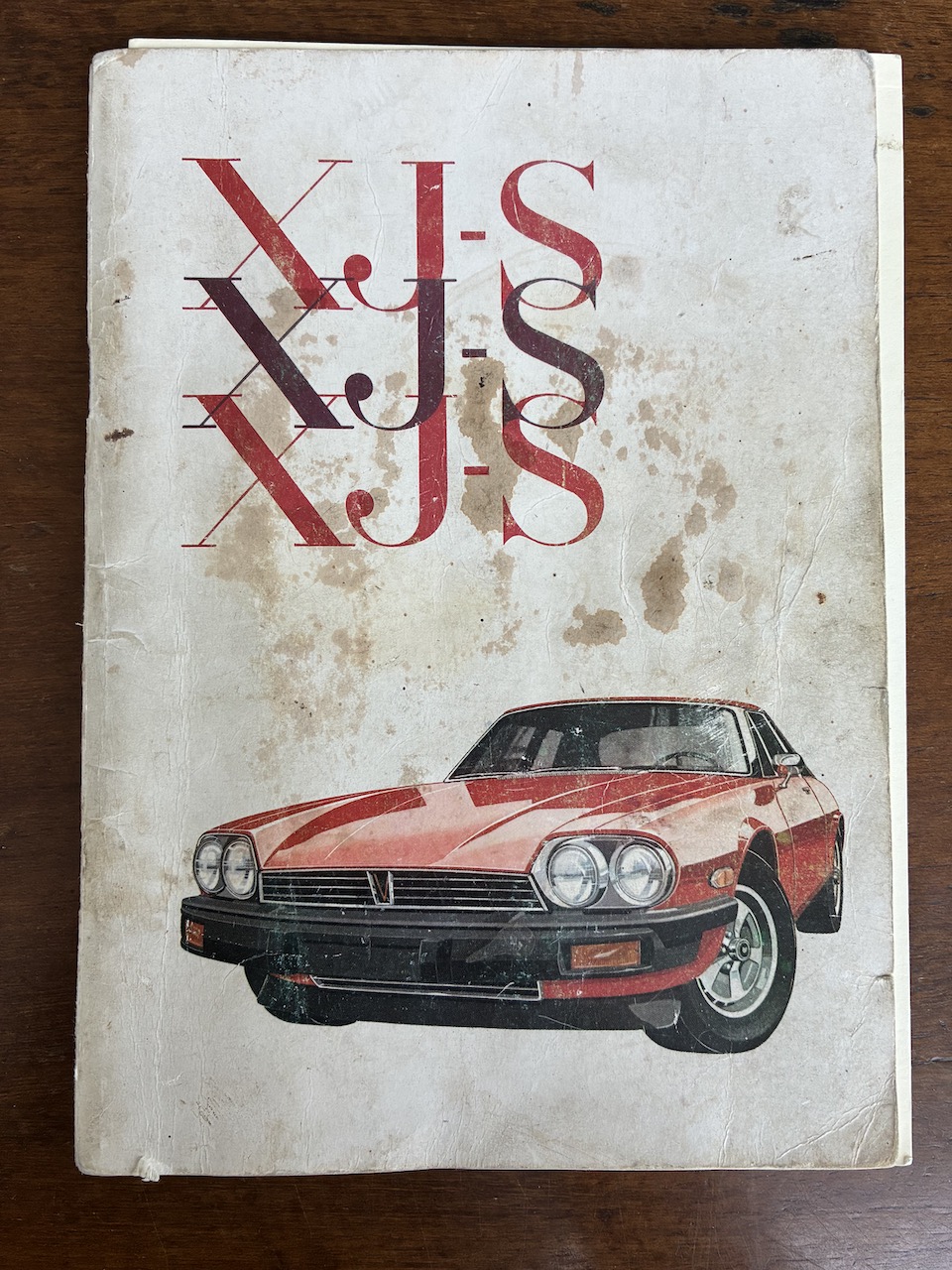
Interestingly, the owner’s manual supplied with the car appears to be a US-market publication featuring the quad-headlight, left hand drive American specification XJ-S rather than the single-headlight Australian and UK specification cars. The manual contains English only text rather than the multilingual export format. Whether this indicates the car was originally prepared for another market before being redirected remains unknown.

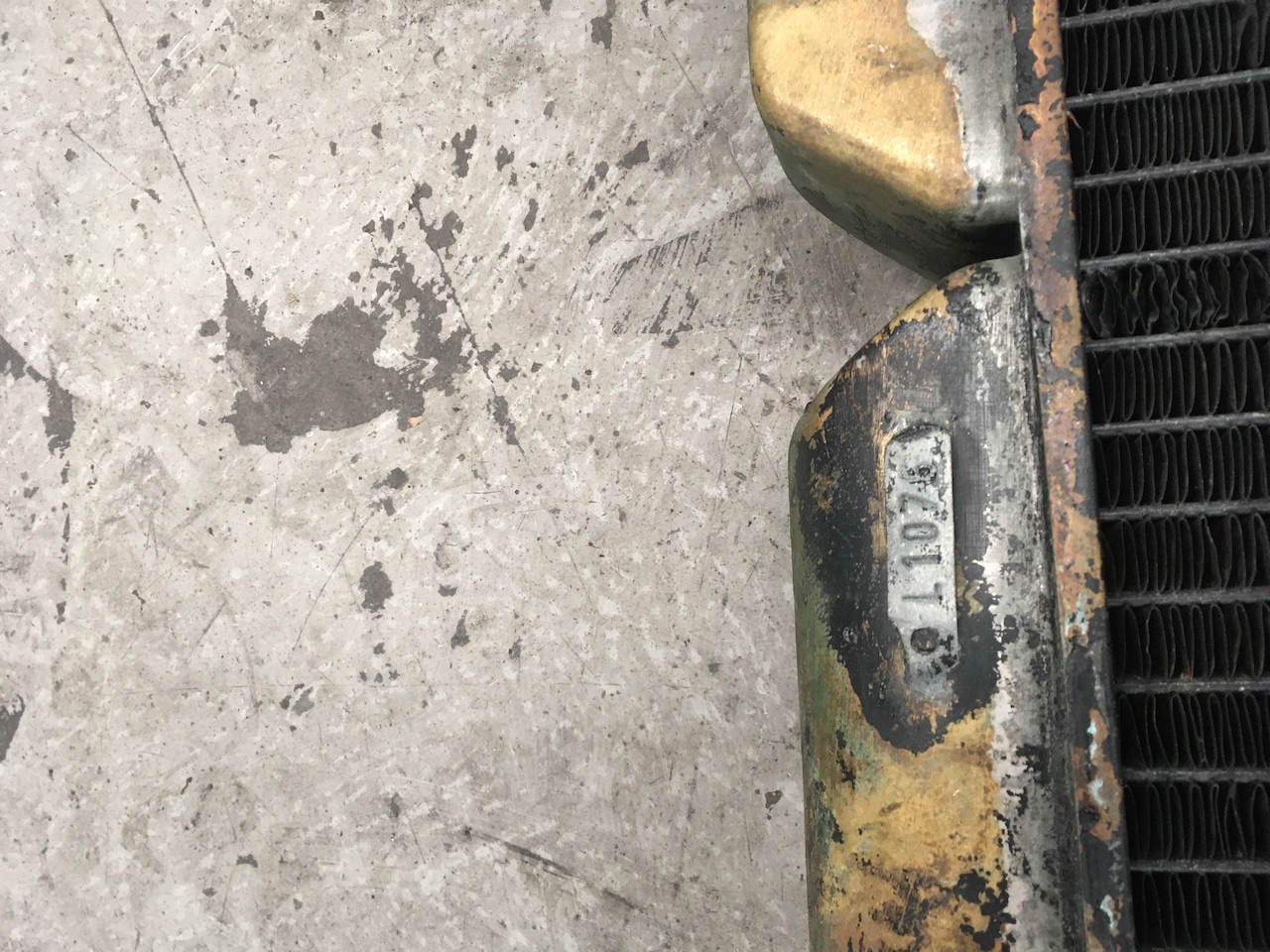
Another significant clue is the radiator. The car carries a manual specification radiator tagged L1076, decoded by Jaguar specialists as:
L = Leeds, England (Marston's where the radiators were made)
10 = October
76 = 1976
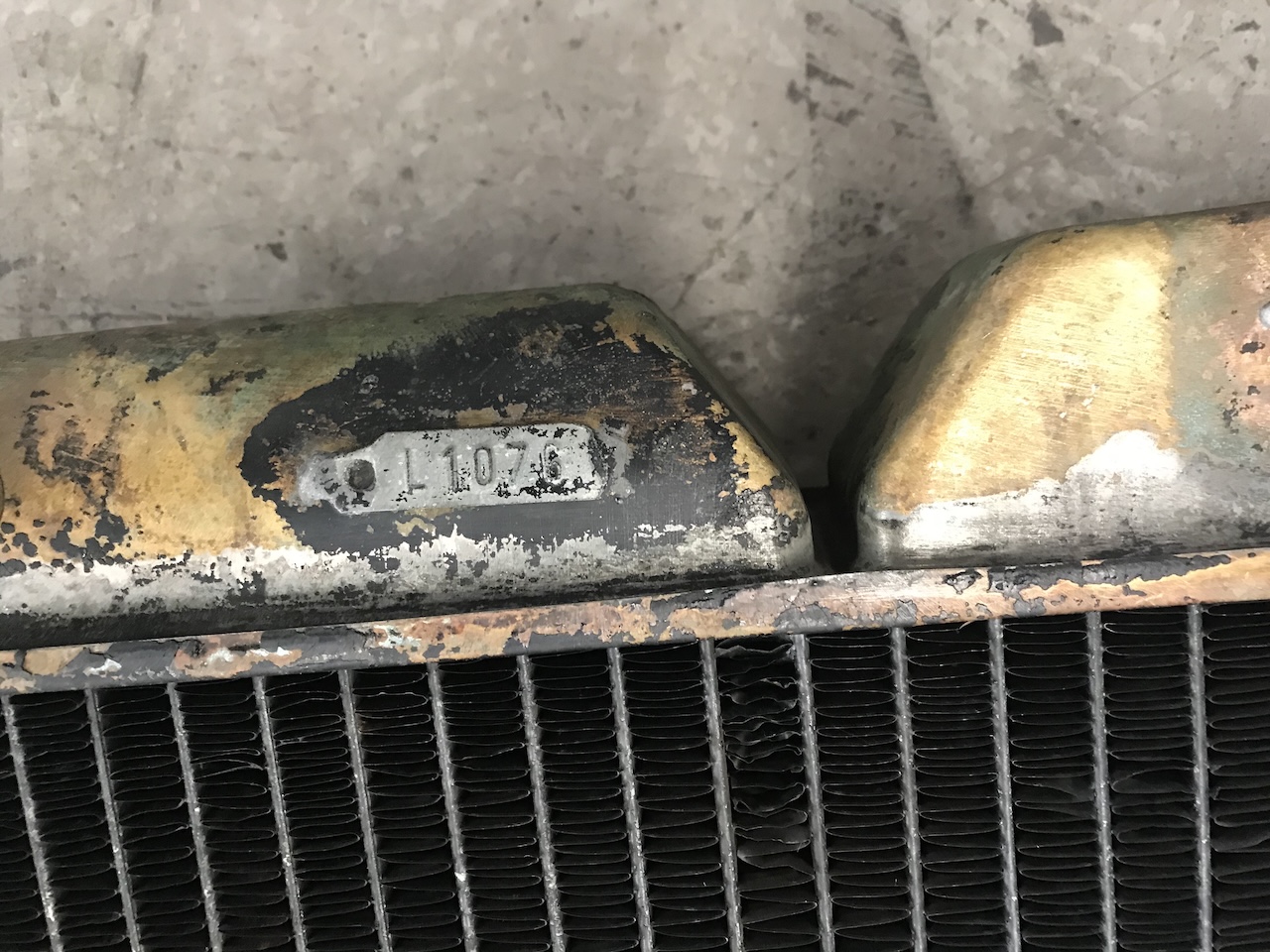
This date is critical.
Because the car had only travelled 69 kilometres by September 1977, it is highly unlikely the radiator was replaced due to wear or failure. Instead, the October 1976 date strongly suggests the car was finalised in full manual specification at this point, likely after returning from Hollingdrake and before shipment to Australia.
This also explains why the Heritage Certificate still records the car as automatic and dispatched to Hollingdrake. It is entirely possible the car initially left Jaguar in automatic or some sort of hybrid form as part of the early distributor display fleet before later returning to Jaguar Experimental where the manual conversion was completed.
Jaguar historian Les Hughes and XJ-S expert John Bleasdale confirmed that many early XJ-S cars sent to distributors were display and evaluation vehicles only and often returned to Jaguar afterwards.
The timing aligns remarkably well.
Additional clues continue to emerge:
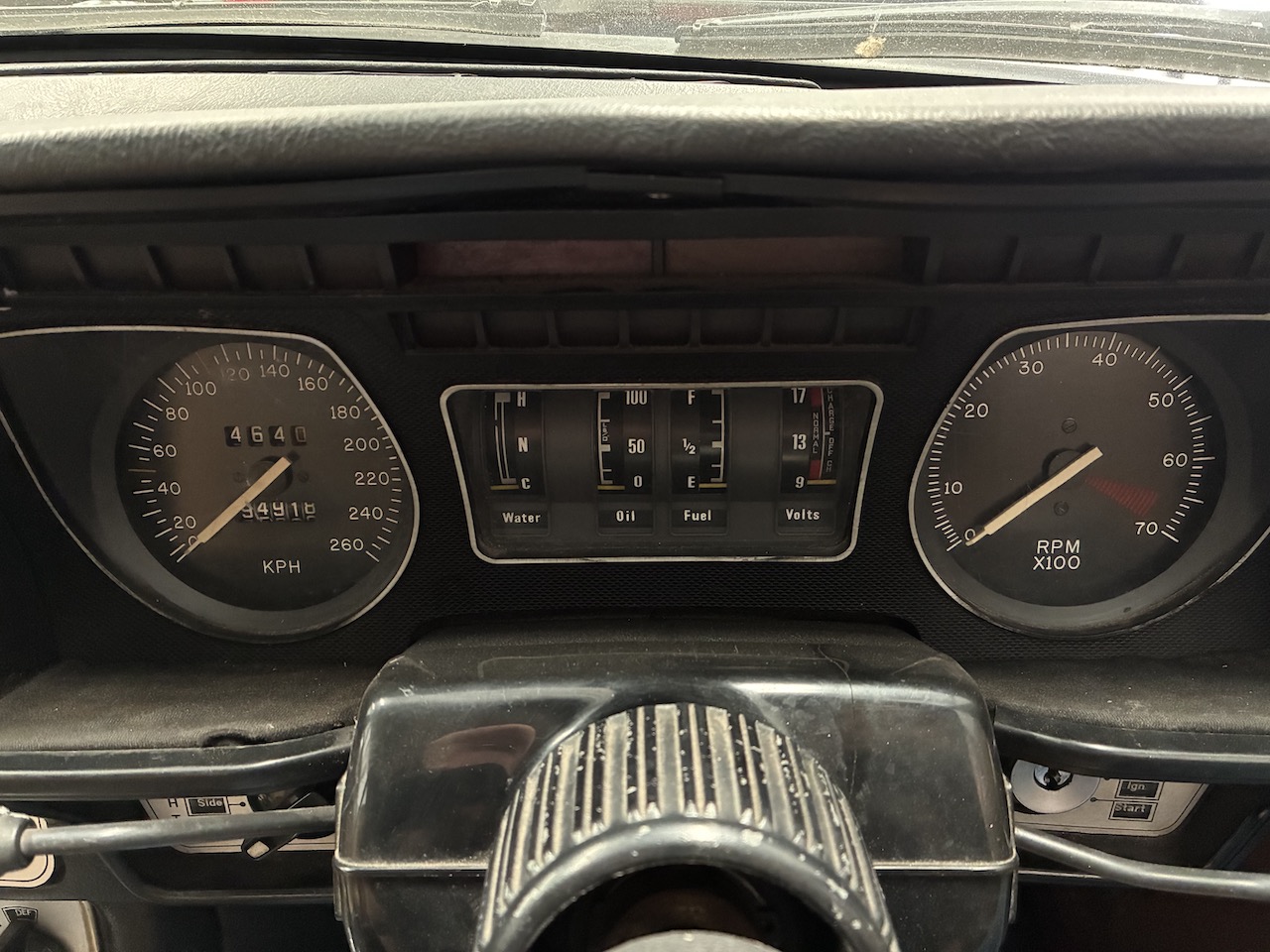
- The speedometer and odometer are both in kilometres rather than miles
- The tachometer and speedometer appear machined as a matching pair
- The gearbox contains early XJ-S ratios rather than E-Type ratios despite its 1972 casting date
- The gearbox top cover references an XJ overdrive unit
- The chassis plate still references automatic transmission specification
- The car was built seven months before dispatch
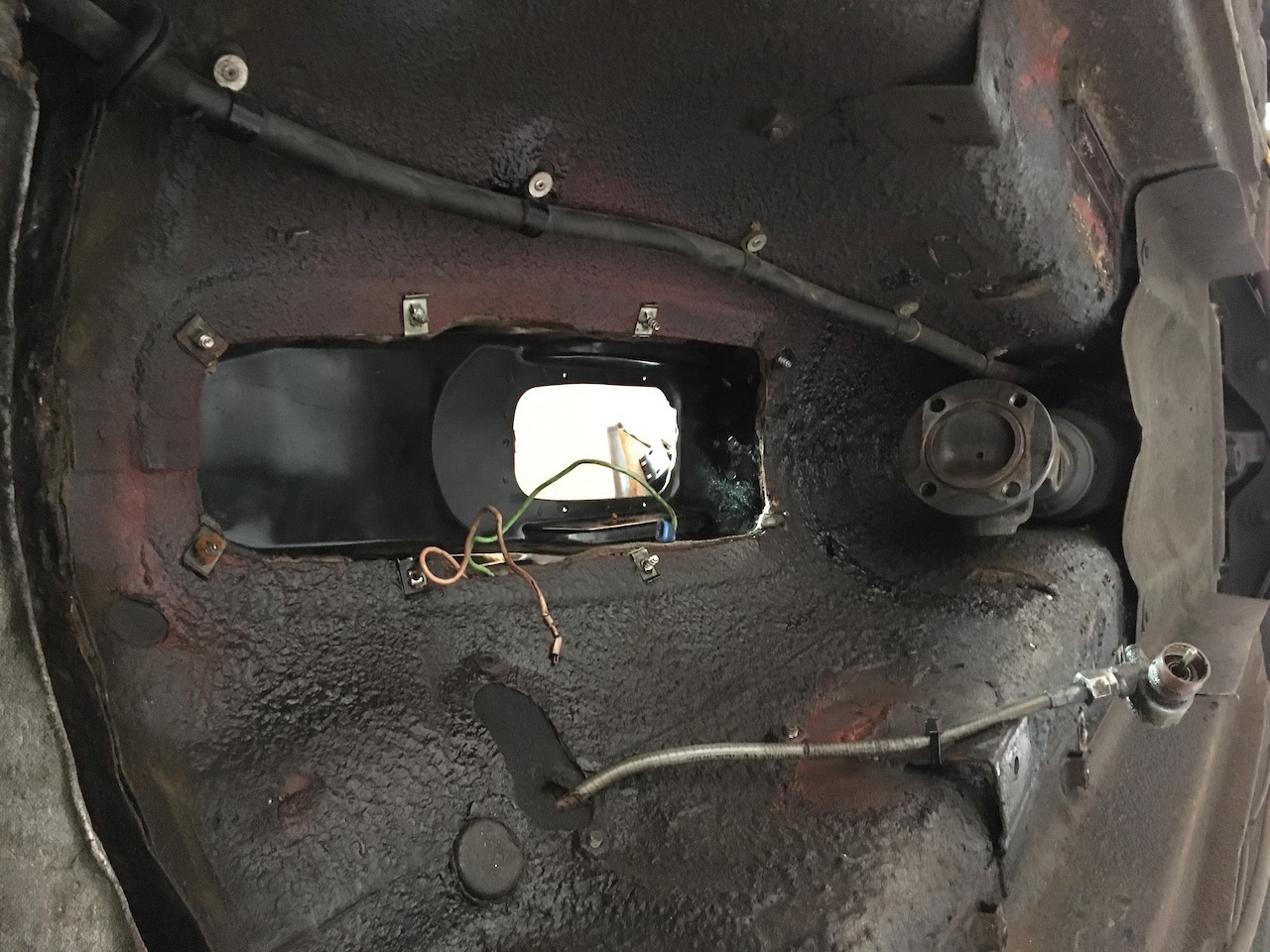
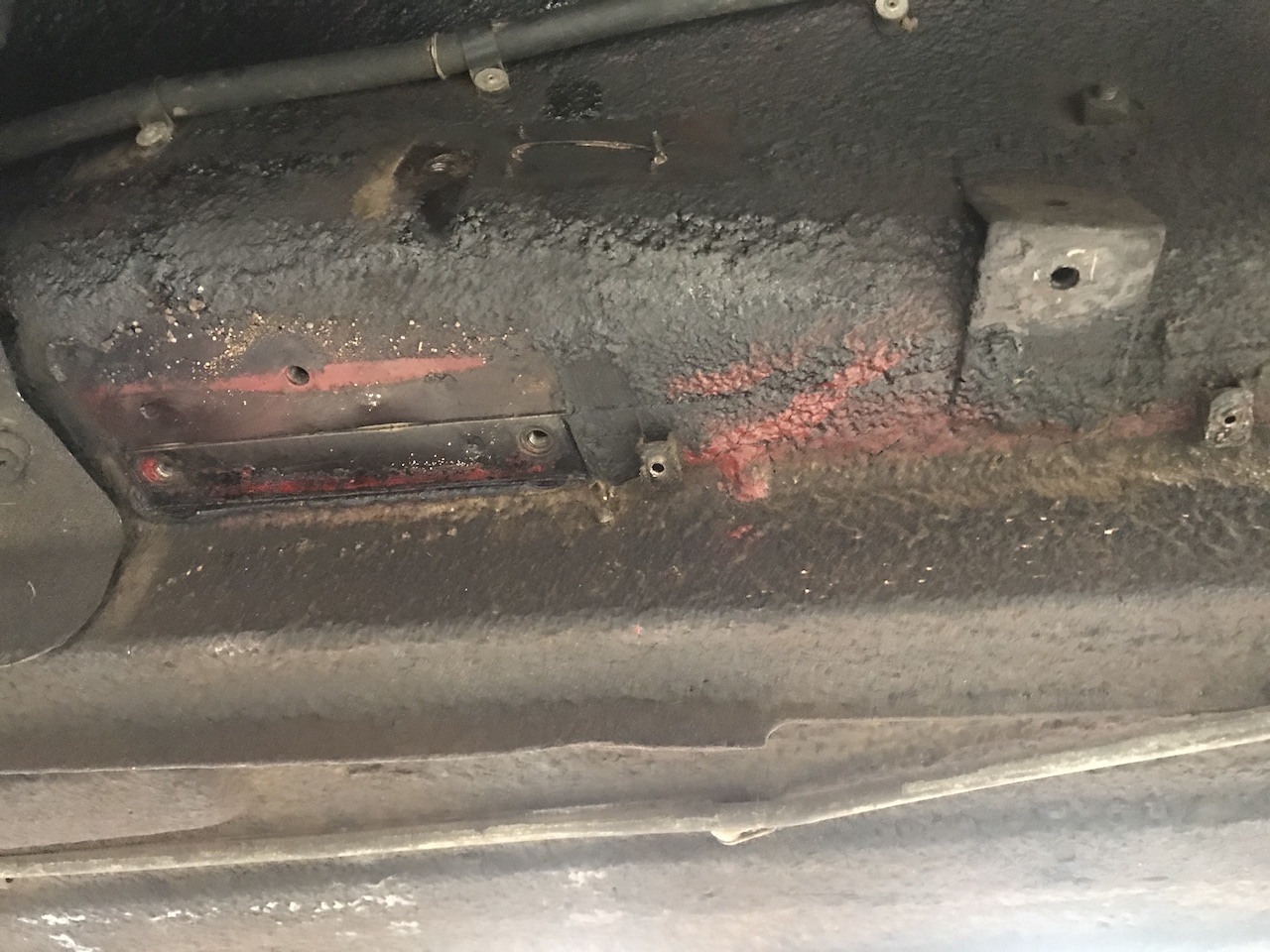
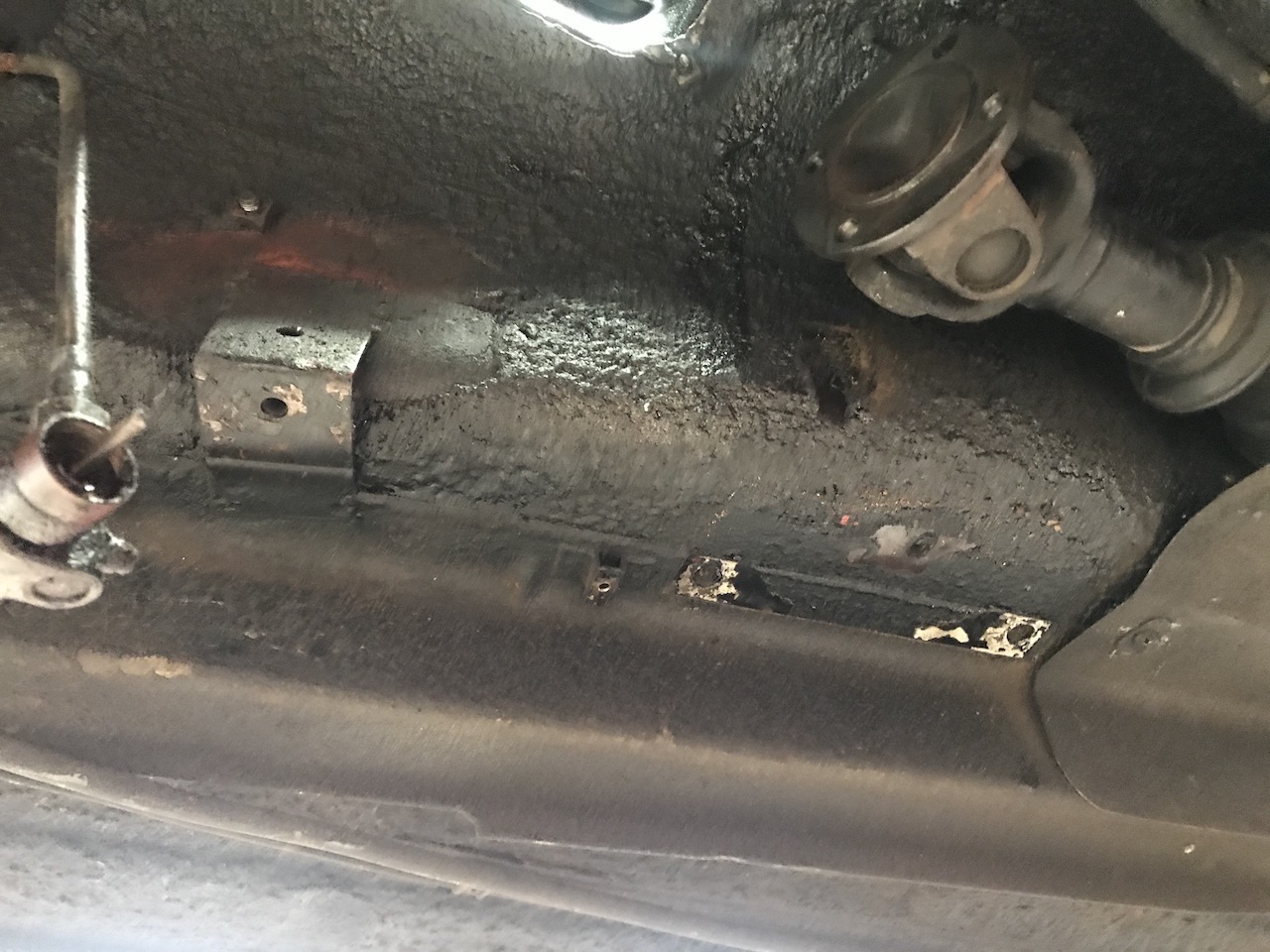
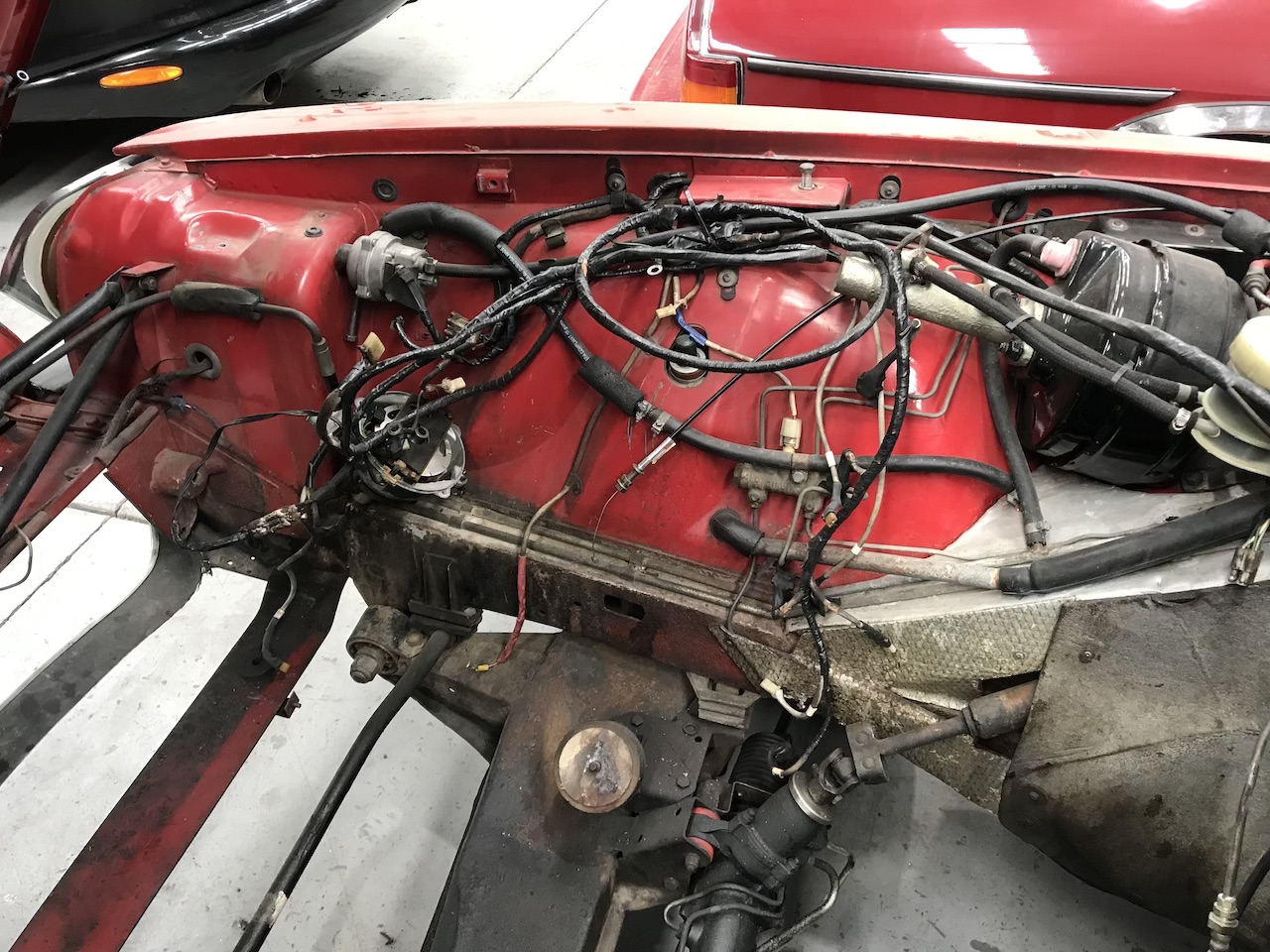
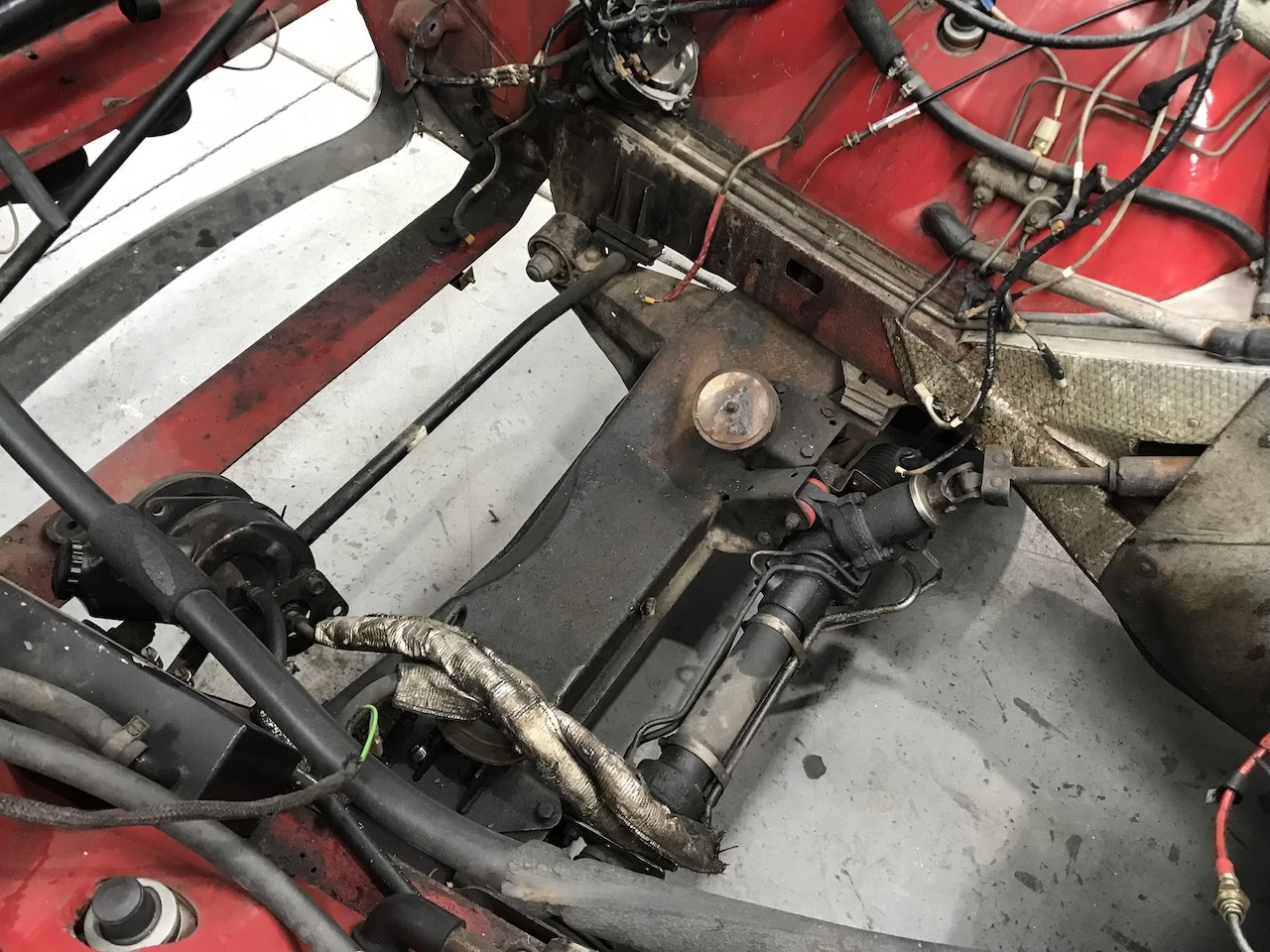
- The underside of the vehicle presents more like a dry-climate Australian car than a long-term UK car
What we now believe is most likely is this:
- #27 was built in February 1975 intended to be an automatic
- It was dispatched to Hollingdrake Liverpool in September 1975 as part of the first distributor batch
- The car likely returned to Jaguar afterwards
- Sometime in late 1976 Jaguar Experimental completed the car to full manual specification using 'bits' from around the workshop
- During this process the car received its manual radiator and likely its metric instrumentation
- The car was then exported to Australia
- Brysons Melbourne completed pre-delivery in September 1977 at just 69 kilometres
- The first known owner was Miss N Tullo
What remains unknown is why Jaguar went to such lengths for this particular car.
- Was it built specifically for Norma Tullo a VIP customer?
- A special-order Australian delivery?
- A press or evaluation vehicle?
- Or simply an Experimental Department curiosity that somehow survived?
- What does the unusual vehicle code number and engine number listed in the passport to service refer to?
- Why was the chassis number left blank in the passport to service?
Perhaps we may never fully know.
What we do know is that: #27 is one of the earliest surviving right hand drive manual XJ-Ss in existence and carries physical evidence linking it to Jaguar Experimental and now has documented Australian-new provenance dating back to September 1977.
The mystery is smaller than it once was, but the story has become even more fascinating.
If you have any information about this car, registration IXT-700, the strange vehicle code and engine number, Brysons Melbourne, Norma Tullo, or early Australian XJ-S history, we would love to hear from you. contact us.
Vehicle details:
- Car 2W1027BW
- Body 5W1029
- Engine 8S1033SA
- Gearbox (number on chassis plate & heritage certificate) 28054
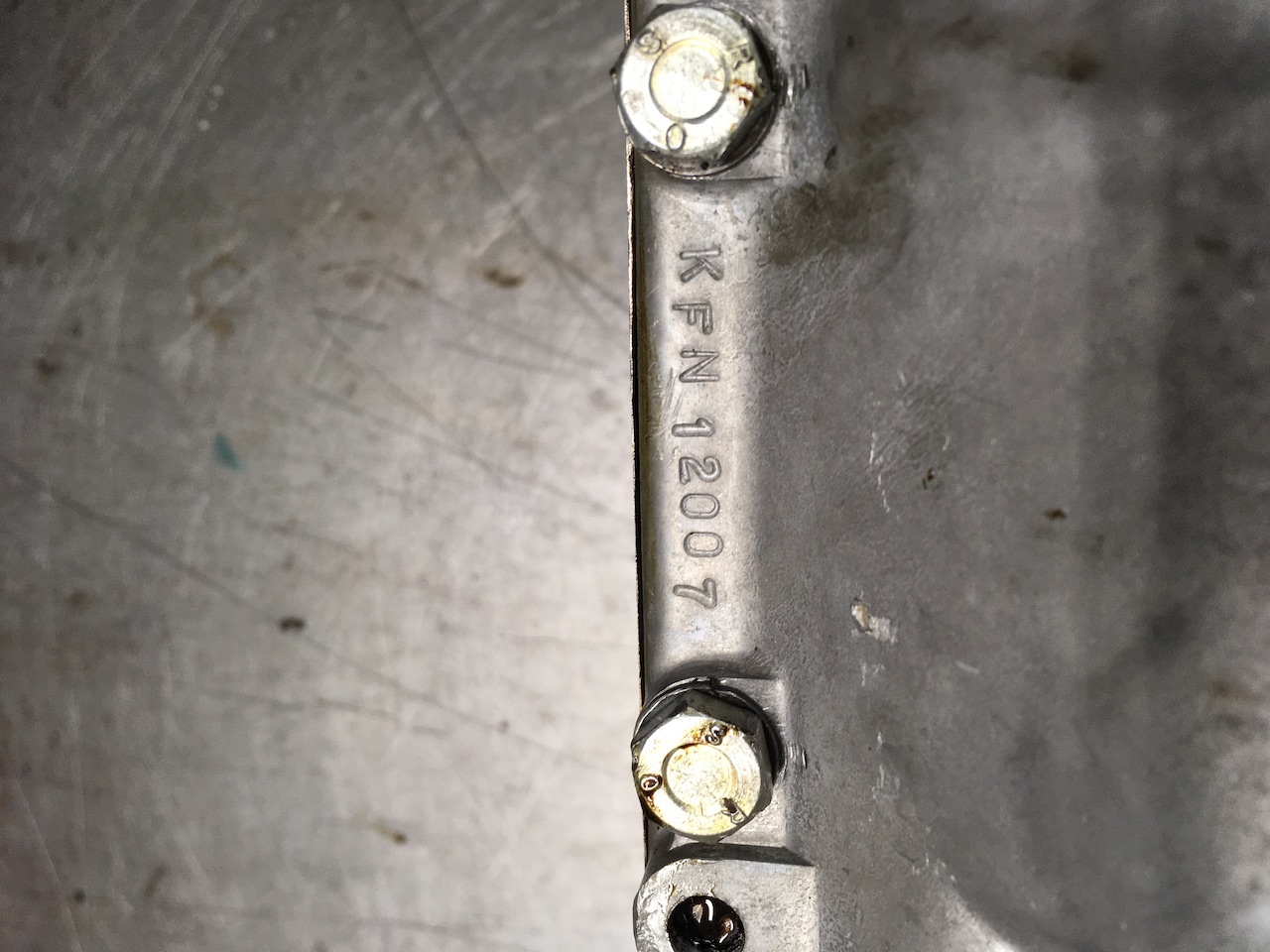
- Gearbox (number on hat) KFN12007 - KFN is an XJ overdrive geabox
- Gearbox casting date 13F2 - 13th day, F=June, 2=1972
- Built 11/2/75, 7 months before the XJS release on 11/9/75
- Delivered to Hollingdrake, Liverpool 4/9/75, 7 days before XJS release and one of the first batch of cars sent to distributors (noted on heritage certificate)
- Car first registered in Victoria, Australia as IXT 700 on 21/9/77
Car is listed on XJS Data website link here.
What they have said about #27:
Jaguar Magazine issue 117: “#27 is almost purely phallic! It seems to have unlimited torque, and an unlimited ability to accelerate. The gearbox gives you much more driving fun, while the note sounds like a turbine as you are gently, but forcefully, pushed deeper into the upholstery and utter ‘Yesssssss…’”read a copy of the article here.
Mike Roddy: “Gee that goes well! That is awesome, not too many XJS drive like that, I don’t know too many XJS that could keep up with it. Wow, after that I need to get my head out of the clouds! I was told by a fellow who worked at Jaguar that all of those early cars were fitted with special camshafts”
Below Watch: XJS #27 in action...
Member